My Book of the Year 2025
Cyril Wong (poet and fictionist)
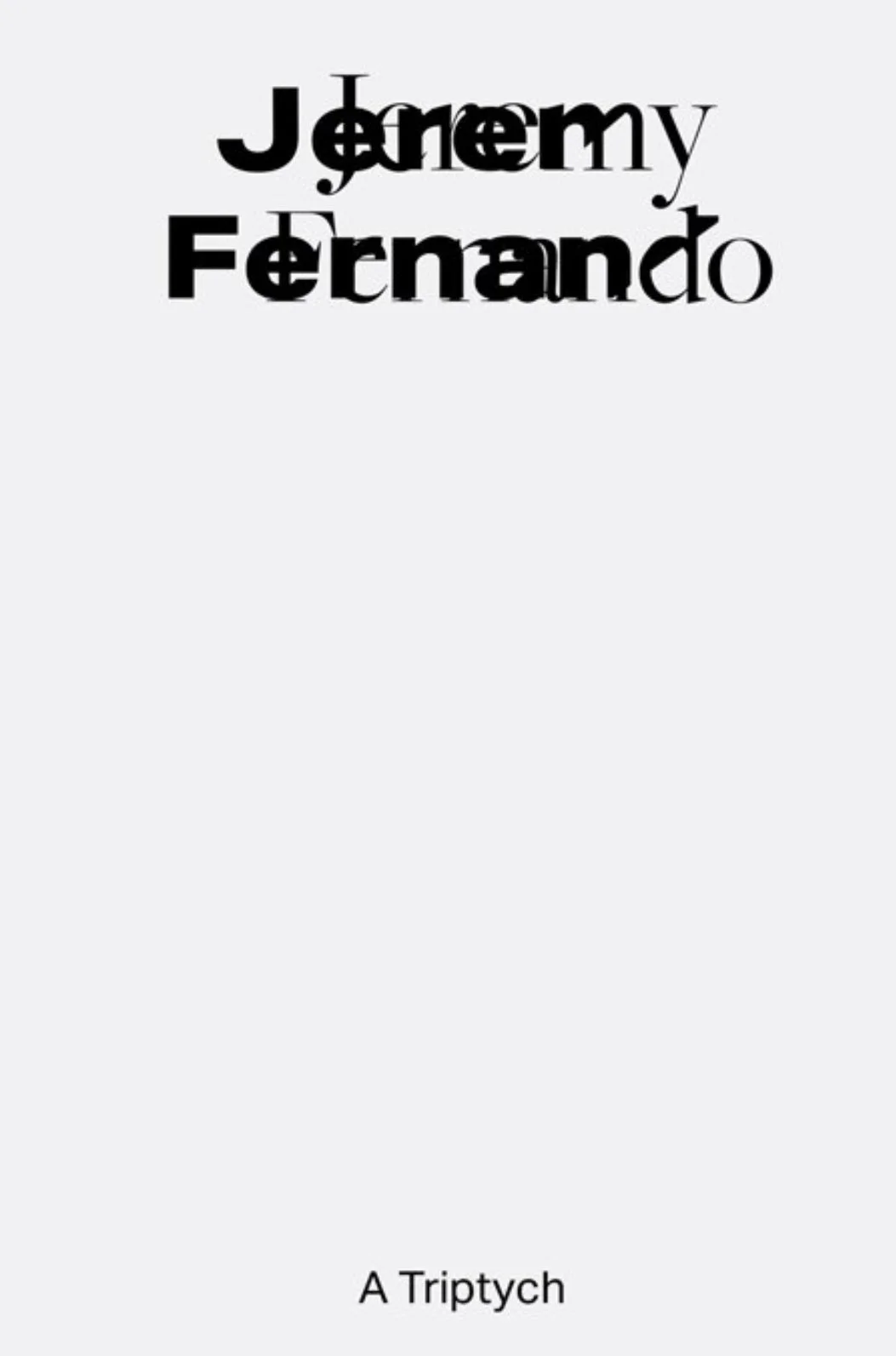
A Triptych by Jeremy Fernando (Delere Press, 2025). A few words about the book: Writing about writing, art, digital tactility and materiality, here is a brio of citation, influence and gratitude, and also a meditation on lies about sexual misbehaviour and false accusations regarded as fact (since lying is also rewriting). An important little book that not enough people will read, it tackles actual injustice, truth and the ramifications of what it means to write.
Daryl Lim Wei Jie (poet, editor, and translator)
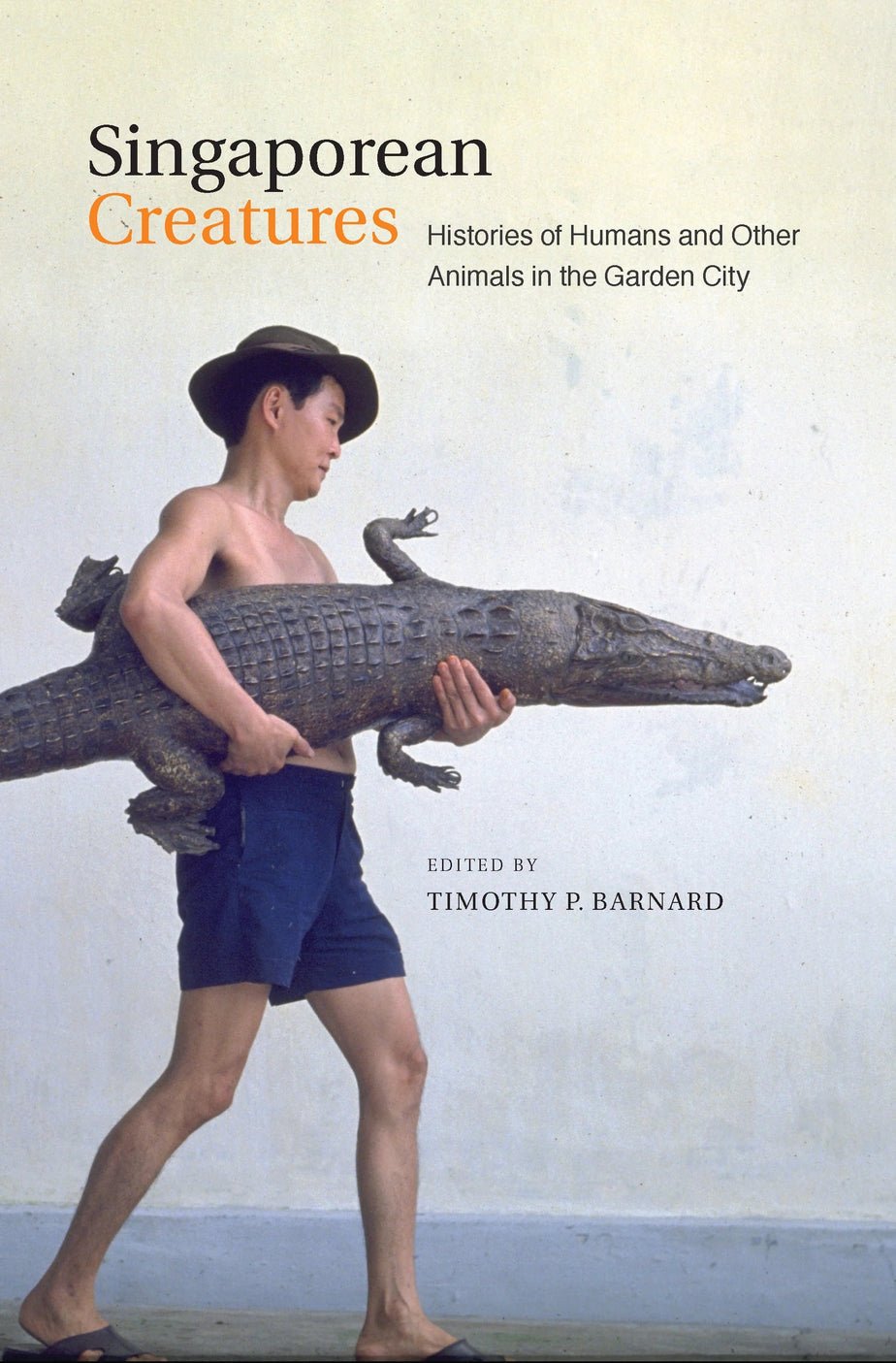
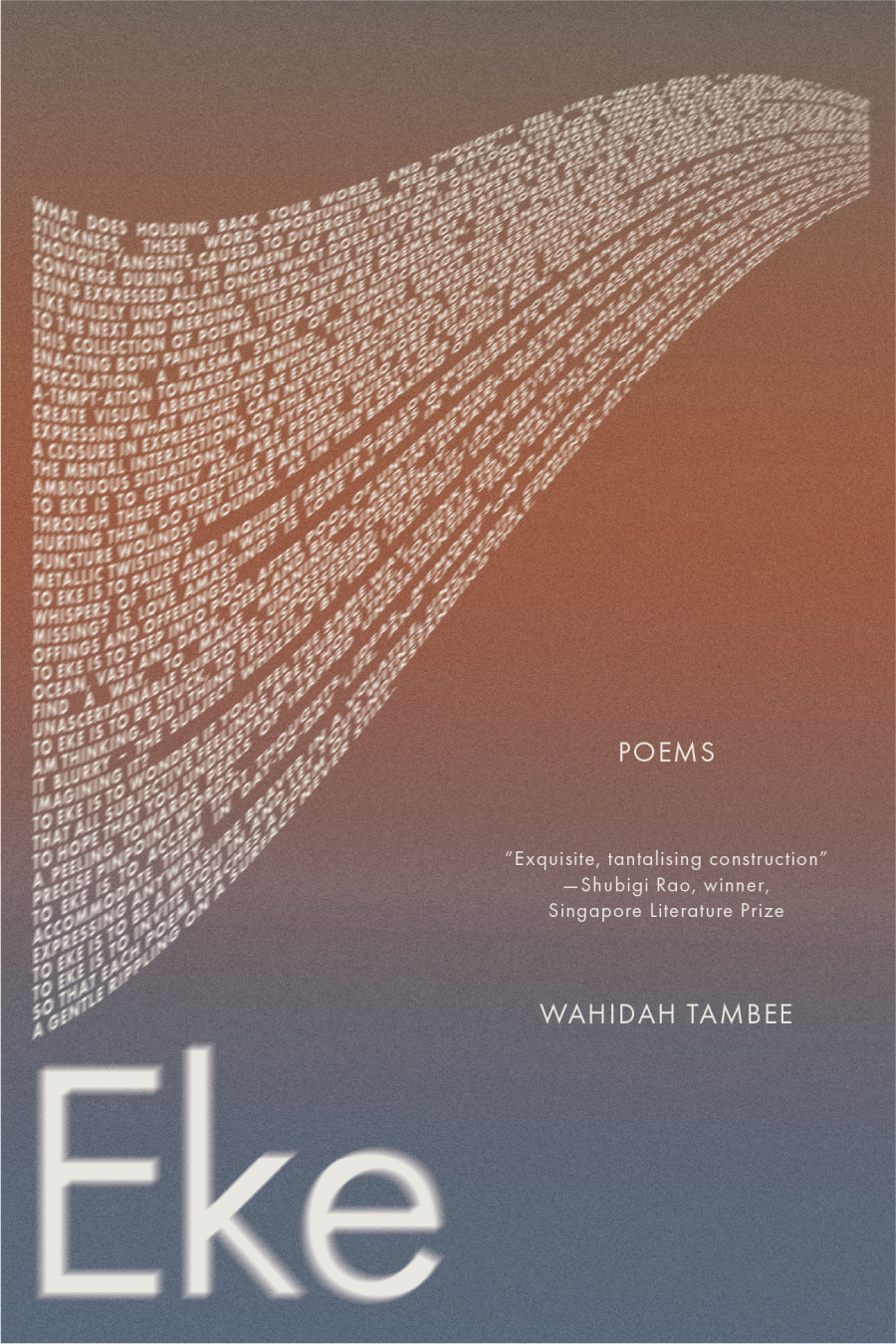
My book of the year is Singaporean Creatures: Histories of Humans and Other Animals in the Garden City (NUS Press, 2024), edited by Timothy P. Barnard. Otters have become a beloved symbol of Singapore's city in nature, but what of tilapia, flies, crocodiles, mosquitoes and macaques? Singaporean Creatures is a delightful perambulation through the (un)natural history of Singapore. Seen through animal eyes, our human machinations and contradictions are shown up, and made ever more apparent. I'm also quite taken by Wahidah Tambee's debut collection Eke (Gaudy Boy, 2025), which fractures poetry with mind-bending possibility. It's 4-D poetry.
Daryl Qilin Yam (novelist and managing editor)
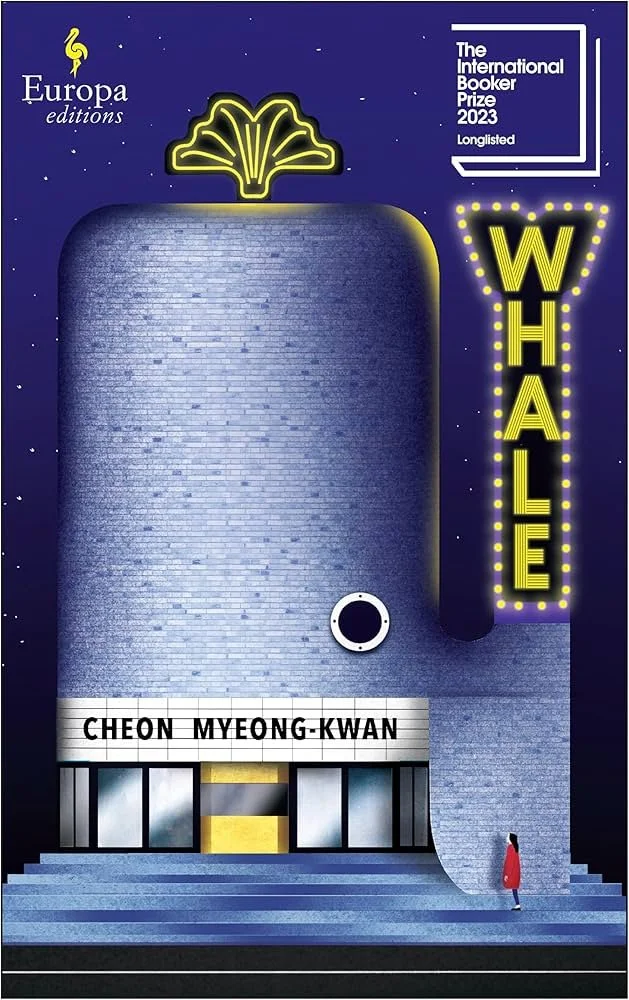
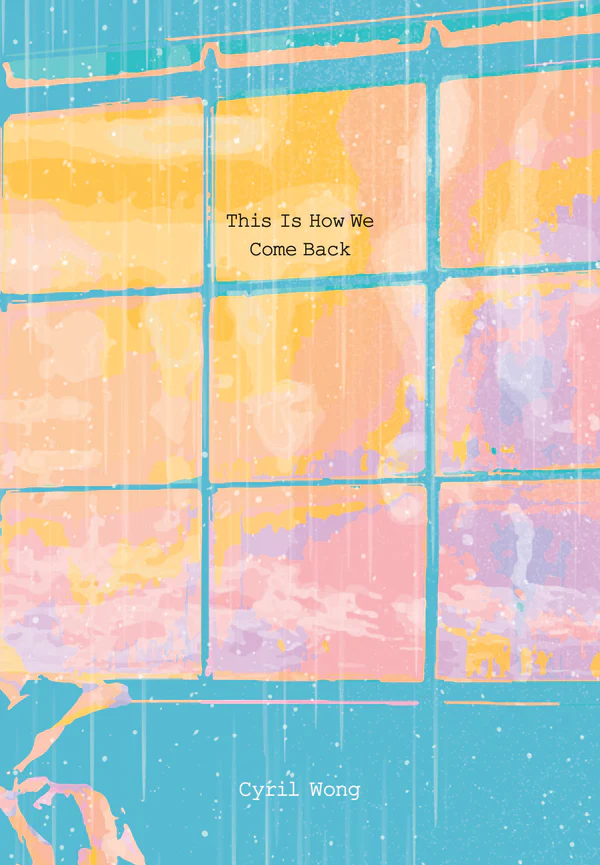
Two flights of fancy stood out to me for their delight / judgment over the verve and chutzpah that leads people into all sorts of glorious trouble. I didn't know what to expect when I first began on Chi-young Kim's 2023 translation of Cheon Myeong-kwan's 2004 novel Whale (Europa Editions, 2023), but that is exactly the mindset one needs in order to fully embrace the sprawling web of fiery scoundrels that populate this book. On the other hand, Cyril Wong's This Is How We Come Back (Rosetta Cultures, 2024) extends the poet's current fixation on the book-length poem with a domestic aria, presented as a series of paragraphs-as-stanzas that is at once sexy and visceral, argumentative and soul-searching, demanding more out of an increasingly colourless, possibly inadequate life.
Felix Cheong (poet and graphic novelist)
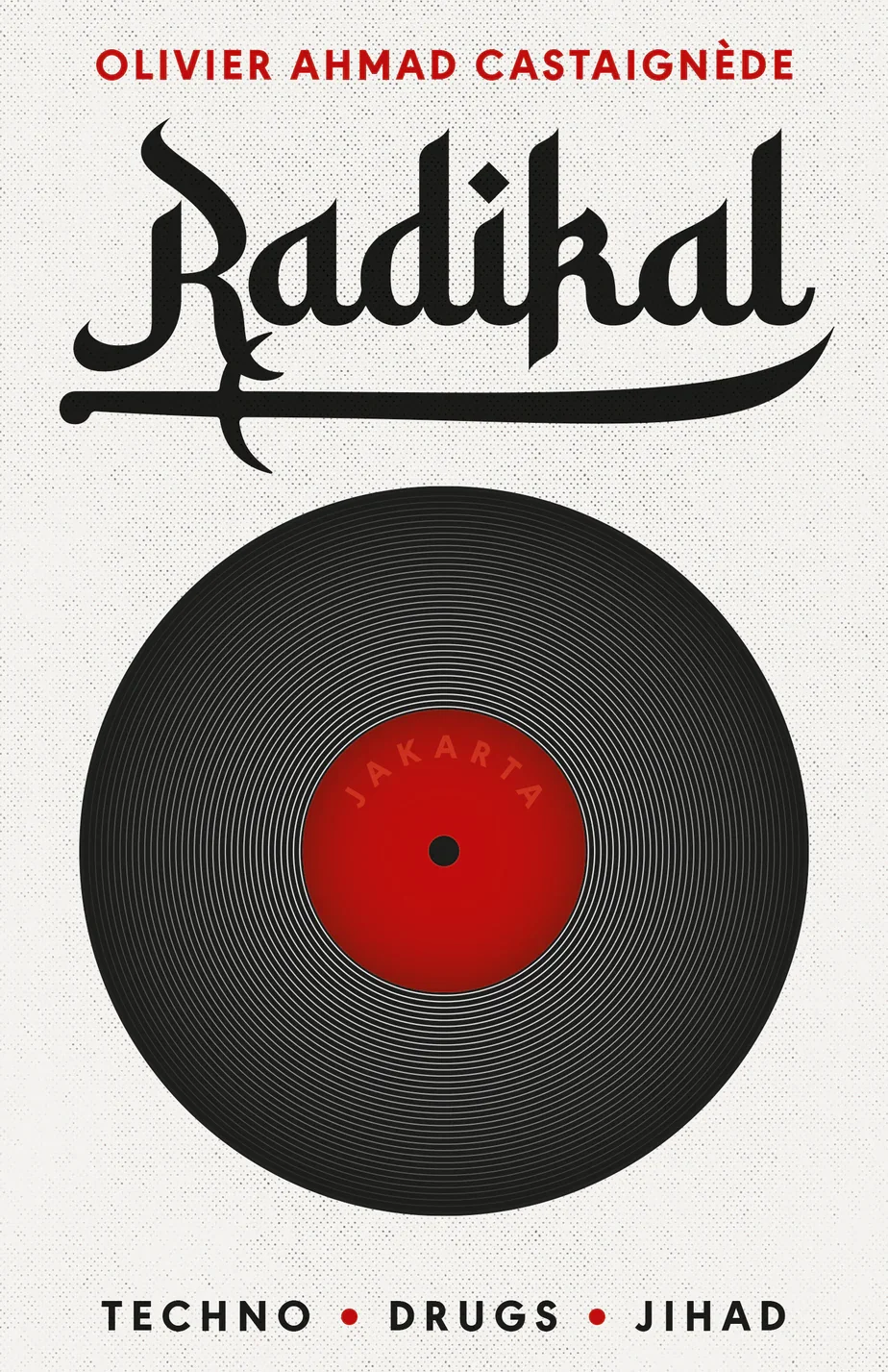
Radikal: Techno, Drugs and Jihad by Olivier Ahmad Castaignede (Monsoon Books, 2023). When the subtitle alone offers such a heady combustion, you know you’re in for a ride of a read. And Radikal doesn’t disappoint, with its gritty portrayal of a Jakarta DJ at loose ends, losing himself eventually in radical Islam. A thriller future-ready for a screen adaptation.
Hao Guang Tse (poet, editor, and publisher)
My book of the year is Slander! by Jeremy Sharma/Remy Shah (Set Margins, 2024), a nearly uncategorisable blend of novel, diary entry, history, philosophy, art writing, social commentary, autofiction, and film essay. It intercuts Remy's self-deprecating observations of his life with intense, digressive analyses of stills from 6 pre-independence Malayan films. It's like my favourite B-grade movie turned into a book.
Coming a close second is Eke by Wahidah Tambee (Gaudy Boy, 2025), a book of poetry both concrete and ethereal at once, creating new worlds in every poem.
Selfishly, I also want to mention how proud I am of the three Paper Jam pamphlets I've published this year: Small Droll Things by Zhang Ruihe (Paper Jam, 2025), How to Love the Sun by Justina Lim (Paper Jam, 2025), and Things That Are Beautiful Do Not Always Speak to You by Bella Stoddart (Paper Jam, 2025).


Jason Soo (filmmaker)
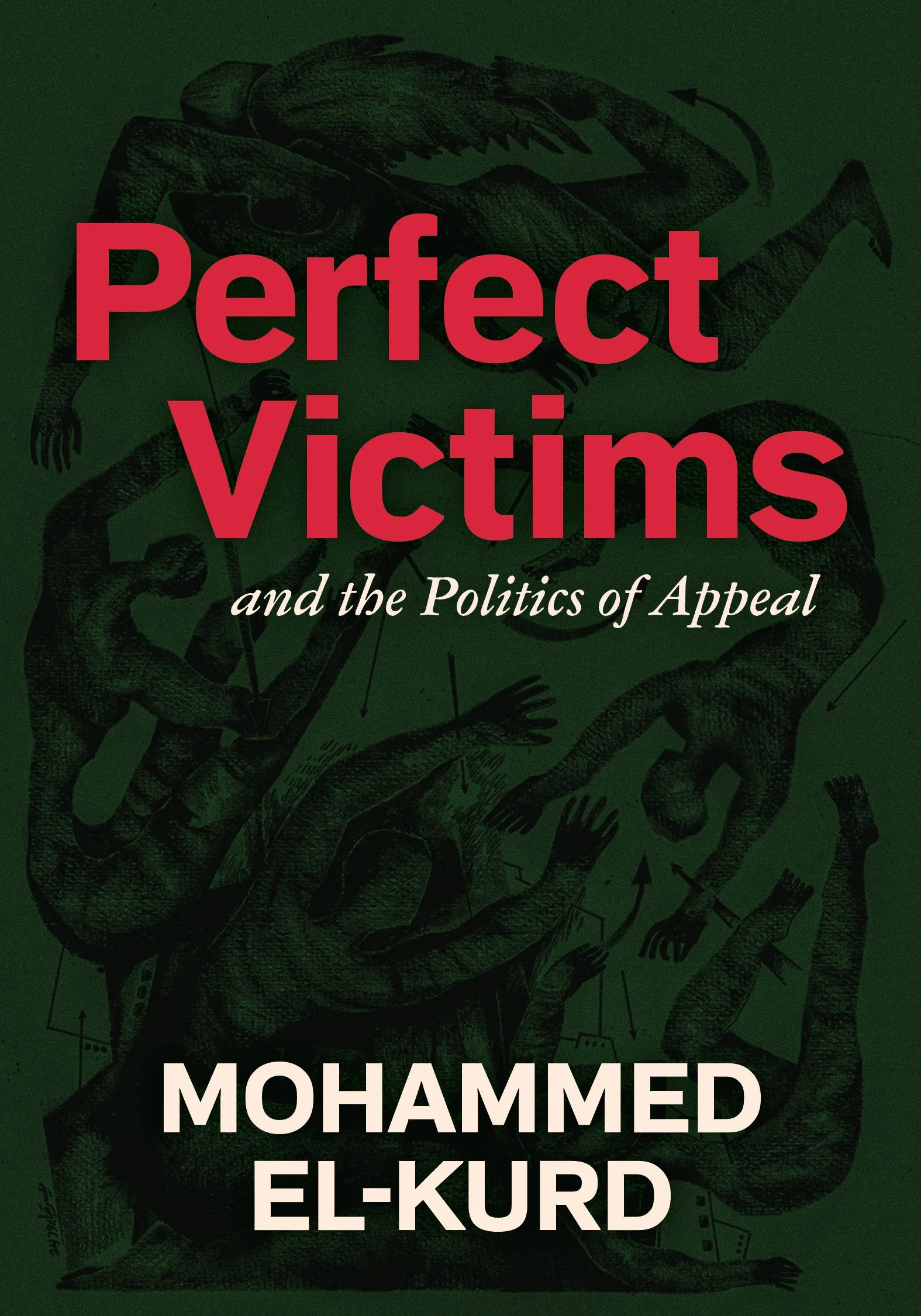
“I cited the tears, never the spit." Mohammed El-Kurd's Perfect Victims: And the Politics of Appeal (Haymarket Books, 2025) takes aim at the pervasive tendency to humanize and to defang Palestinians. This project of humanization has an ideal subject, the "innocent civilian", which strips Palestinians from their historical context and plunges them into a mythological dimension devoid of resistance and refusal. And ultimately, humanization disempowers the Palestinians. It depoliticizes their struggle for liberation into a humanitarian crisis. It turns revolutionaries into terrorists and rogue actors. El-Kurd's critique is urgent, lucid, poetic, and expansive. It extends beyond Palestine to encompass how we frame and understand the oppressed, whether they are the working poor, sexual assault victims, or freedom fighters.
Jason Wee (artist, poet, and writer)
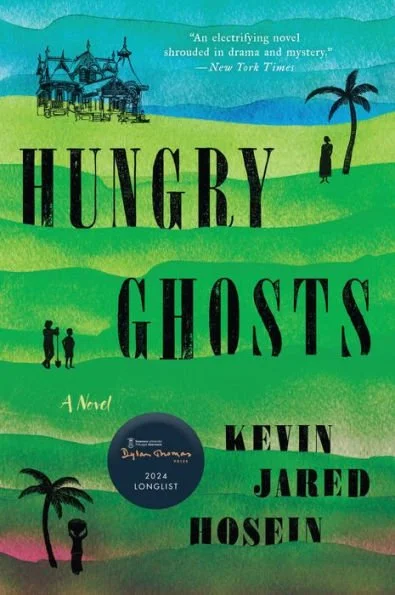
I came across Kevin Jared Hosein's Hungry Ghost (Bloomsbury Publishing, 2023) in a professor's flat in winter, and his words are viscerally transportive; soaking my limbs in warm rain and my clothes with a sweat that sticks cotton to skin. A two-family drama disguising a crime novel wrapped around a history of violence, Hungry Ghost expands from its particularities into wild intensities, and I continue to dip back into it for a rush of his language.
Jolene Tan (novelist)
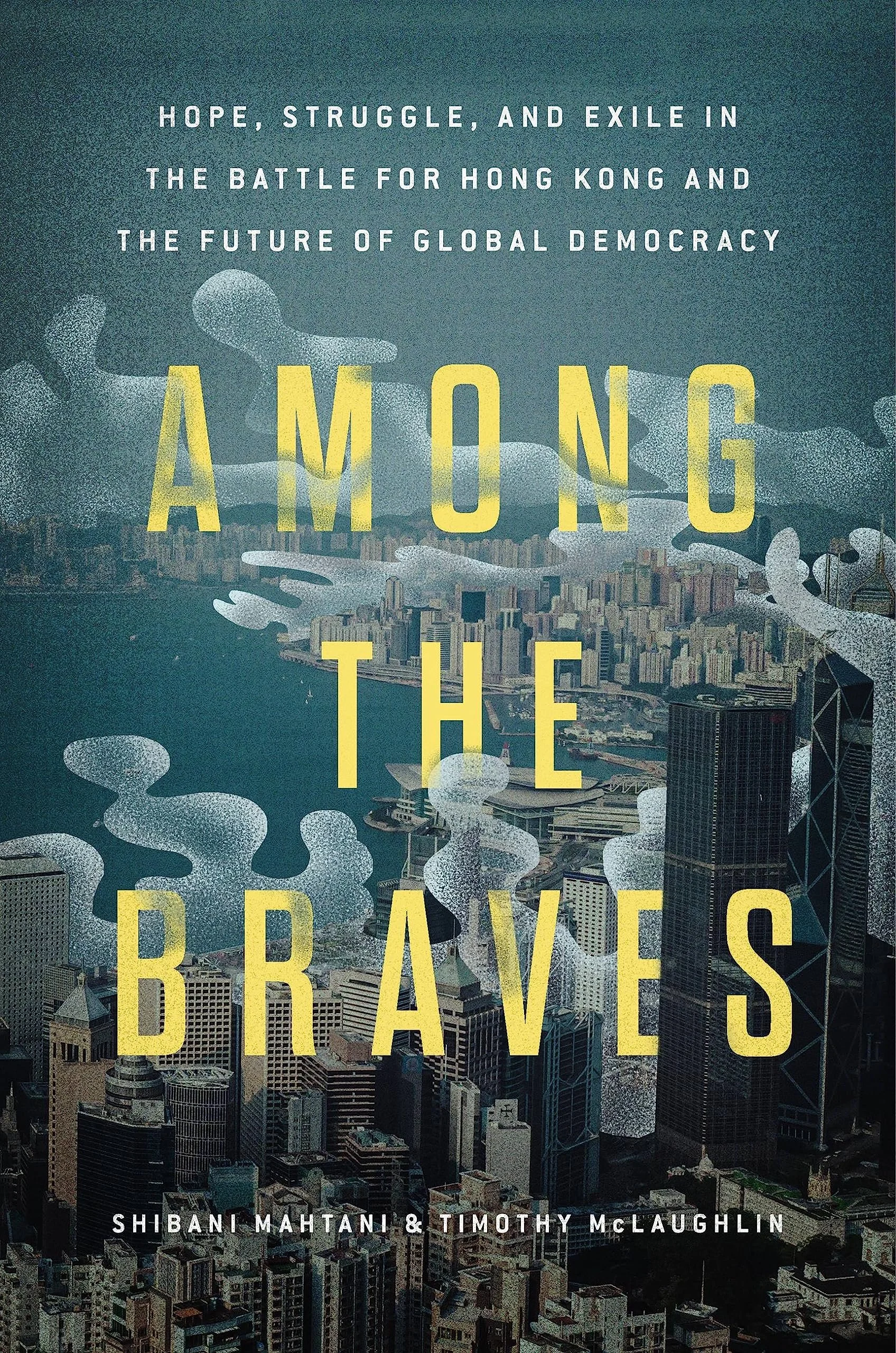
My top pick is Among the Braves by Shibani Mahtani and Timothy McLaughlin (Hachette Books, 2023), a moving account of Hong Kong's battle for democracy - showing us up close the heroism of ordinary people who fought for the right to determine their own destinies, and the bitter costs they have paid. Tania Branigan's Red Memory: The Afterlives of China’s Cultural Revolution (Faber & Faber, 2023) is in some ways a mirror of similar themes, a chilling survey of the crushing nihilism that distorts all thought and communication and memory when authoritarianism wins.

Jonathan Chan (poet, editor, and literary critic)
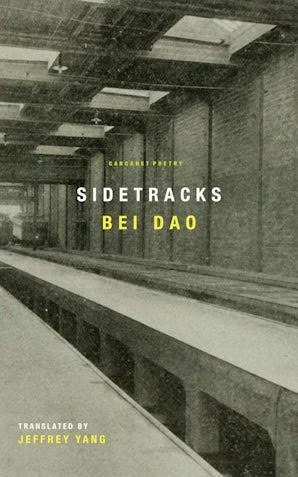
Many recent books by Asian authors, of Asia or its diasporas, inspired me this past year, including Abraham Verghese’s The Covenant of Water, Myle Yan Tay’s catskull, Wahida Tambee’s Eke, Zhang Ruihe’s Small Droll Things, Fairoz Ahmad’s Neverness, Faisal Mohyuddin’s Elsewhere an Elegy, and Refaat Alareer’s If I Must Die. However, the book I would highlight for this year’s list is Sidetracks《歧路行》(Carcanet Press, 2024) by Bei Dao (北岛), presented bilingually with translations from the Chinese into English by Jeffrey Yang. It is a chronicle and reflection, reading as the culmination of years of a peripatetic condition of exile and return, from Bei’s first departure from Beijing, through Europe and California, to his arrival in Hong Kong, woven through with velocity, lyricism, and interiority. It contains the pains and multitudes of a whole and entire life.
Ko Ko Thett (poet)
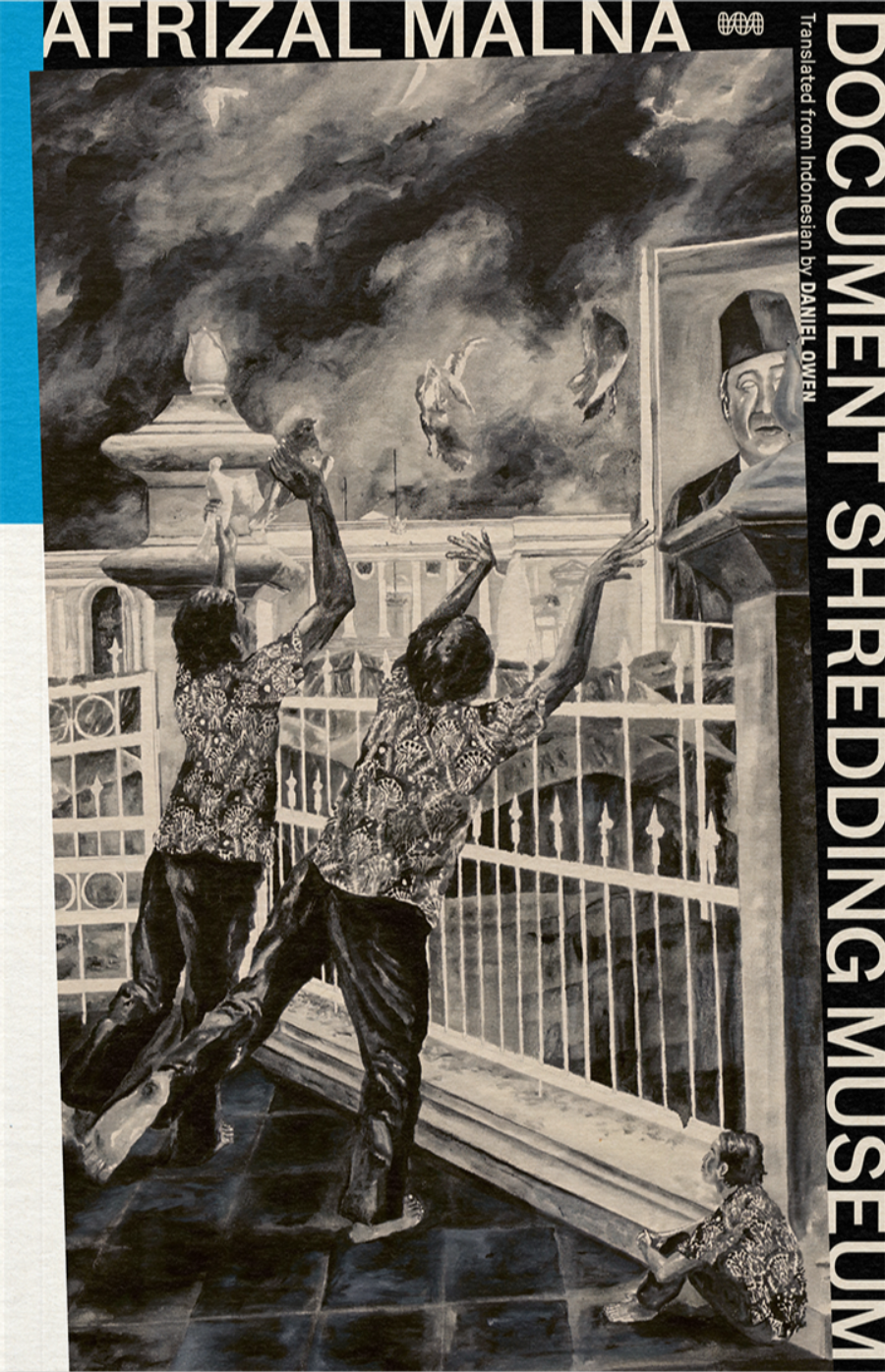
Document Shredding Museum by Afrizal Malna, translated by Daniel Owen (World Poetry Books, 2024). Originally published in Indonesia as Museum Penghancur Dokumen in 2013 and an earlier version of the translation by Daniel Owen published in Australia in 2019, Document Shredding Museum by Afrizal Malna, one of Indonesia’s most celebrated poets, saw a bilingual print in 2024. Imagine a poet, fretting about limitations of a hegemonic language — the only language they know, and typing away in their birthday suit in an attempt to tear down the barriers between their body, the space around the body and the language that body manifests. With an anxiety of identity migration aggravated by the internet, the poet attempts to shred various documentation associated with their body. The book, complete with a craft essay by Malna and notes on translation by Owen, makes an excellent text for poetry educators.
Lydia Kwa (poet and novelist)
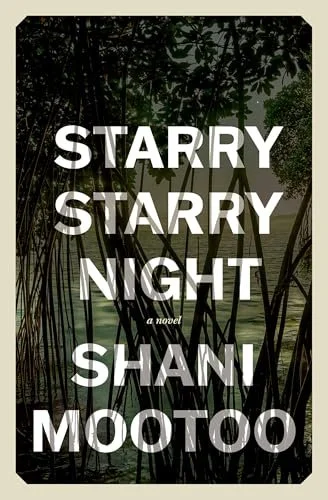
My favourite book by an Asian author is: Starry Starry Night by Shani Mootoo (Book*Hug Press, 2025). Narrated from the point of view of a young child Anju Ghoshal growing up in 1960s Trinidad, this novel is tender, candid and lyrically beautiful; and manages an incredible balance between truth telling and political relevance. Mootoo shows us, through the lens of this child, how trauma, attachment disruption, misogyny and sexual abuse impact vulnerable ones. As a reader, I felt generously invited to enter this world and to be deeply moved.
Marylyn Tan (poet, pervert, and prophet)
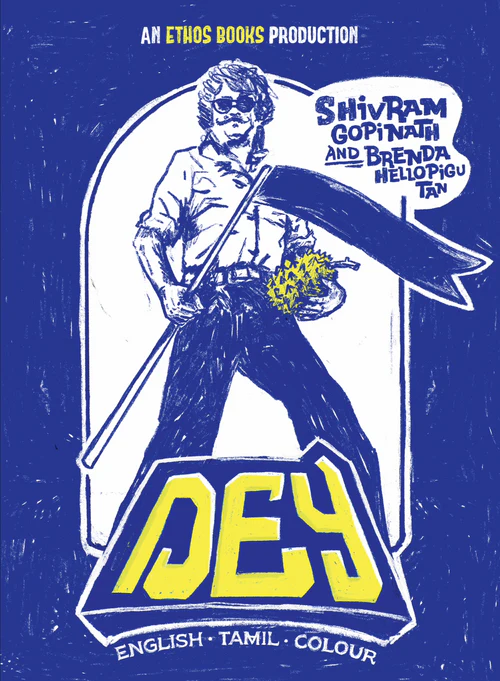
Dey by Shivram Gopinath (Ethos Books, 2025). Dey is a show-stopping inter-lingual, visual, poetic and rhythmic feast that pokes sly fun at the absurdity of many things: failing middle-class aspirations, casual racism, the patriarchy imposing itself—all in an odyssey that rescues and remixes the Tamil cinematic. Even though I was sadly not asked to blurb the book, I still rave about it with deep fascination and highest regard, especially because Dey fills the dearth of hard-hitting, clever mirth I didn't know I sorely wanted.
Marc Nair (poet and photographer)
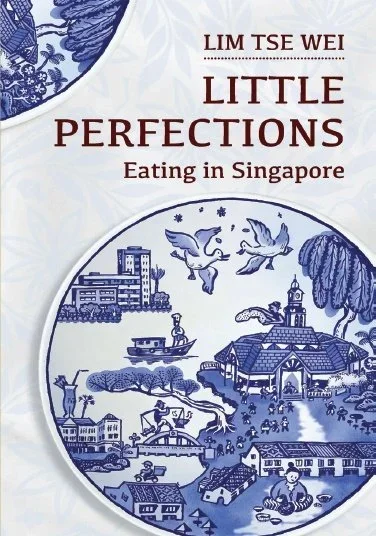
My book of the year is Little Perfections by Lim Tse Wei (Landmark Books, 2025). Think of this book as a buffet of gastronomic thought. Lim dips in and out of his vast years of experience in kitchens of all shapes and sizes to offer a range of writing that delights with its fecundity of detail. While there is no linear narrative, neither is there a proscribed approach to sampling a buffet. The bite-sized essays are rich with texture and taste in describing the experience of cooking and consuming a range of legacy dishes, some far removed from the public eye and some existing only in the lore of your grandmother's kitchen.
Meira Chand (novelist)
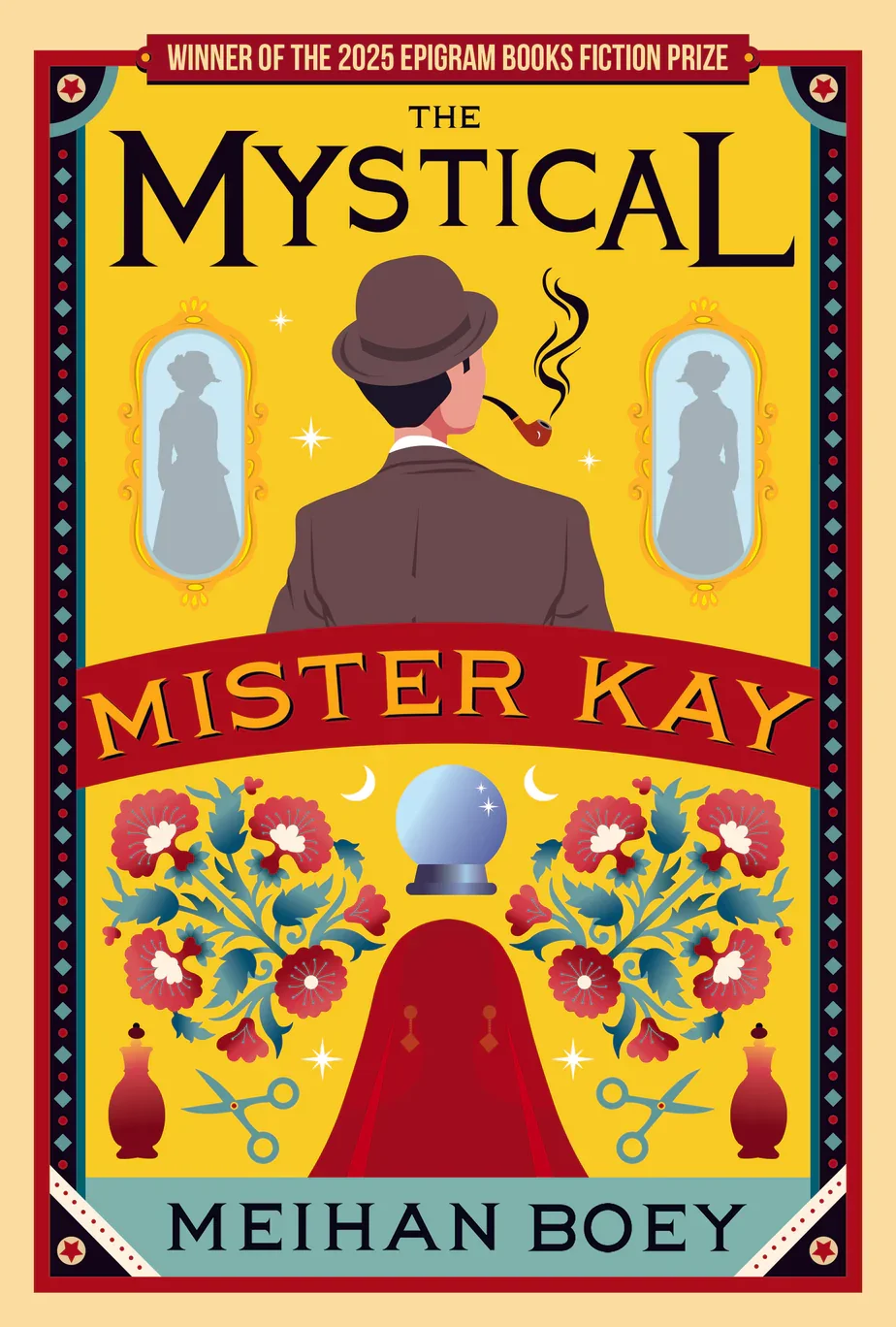
The Mystical Mister Kay by Meihan Boey (Epigram Books, 2025). The third and final volume of the Miss Cassidy Series offers yet another total immersion into Meihan Boey’s fabulous and inimical world of mythology, history and page turning supernatural involvements. One of Singapore’s most exciting young writers – a truly inventive and original voice.
Philip Holden (writer, scholar, and avid reader)
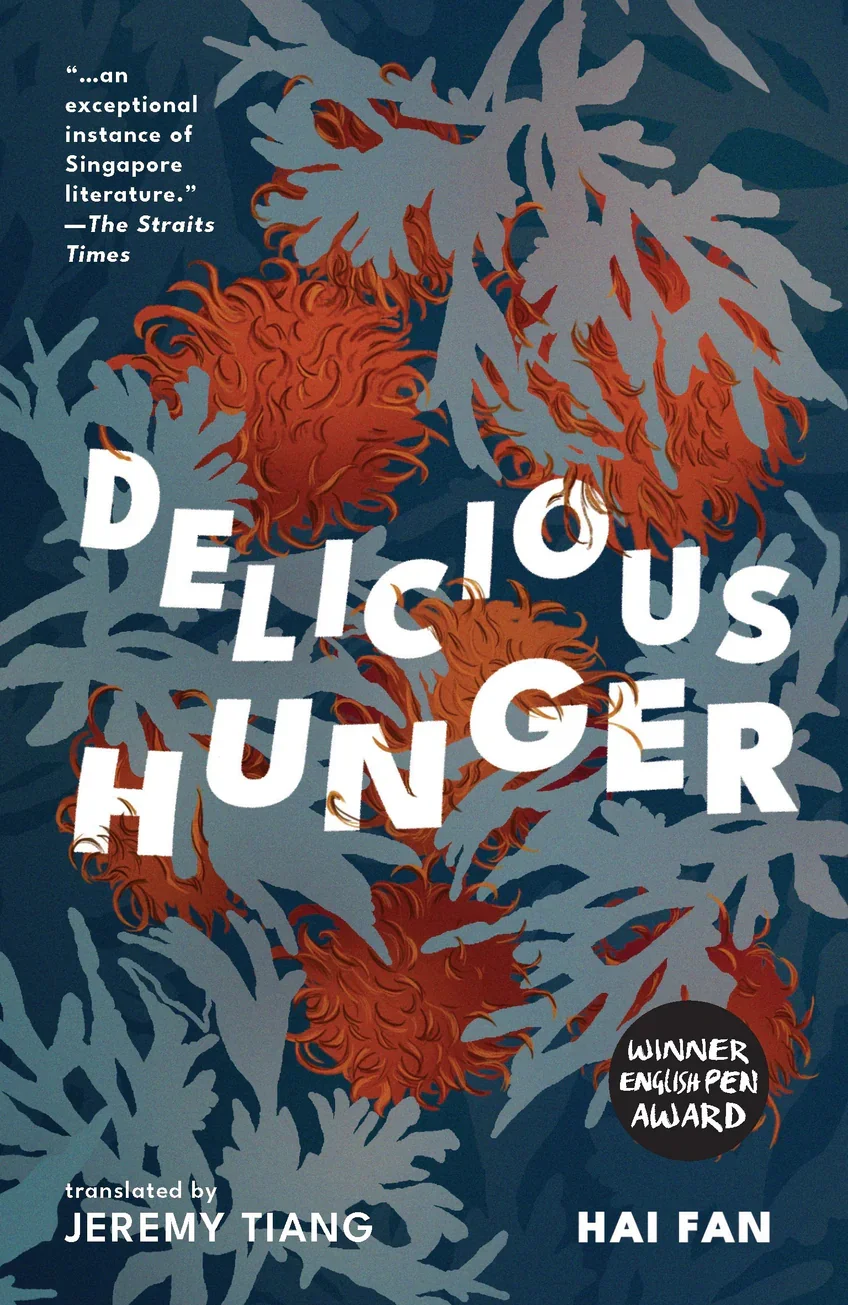
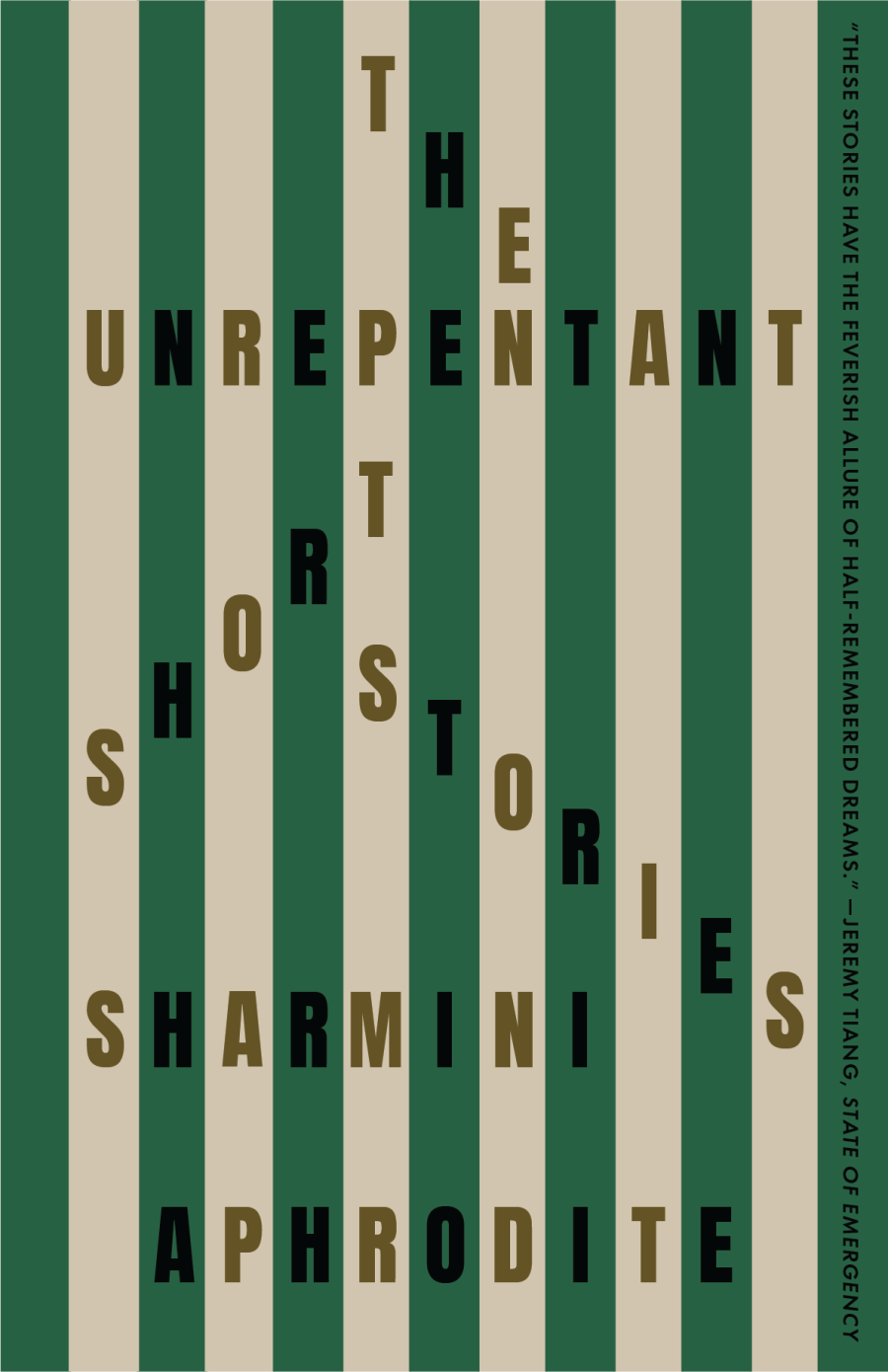
Two short story collections I read in the last year spoke to each other in fascinating ways. Hai Fan’s Delicious Hunger (Ethos, 2025), written from lived experience and ably translated by Jeremy Tiang, offers the inside story of Malayan Communist Party guerrillas who entered the jungle to further their struggle. Sharmini Aphrodite’s The Unrepentant (Gaudy Boy, 2025) mines a variety of historical archives to explore the experiences of those who vanished, those who were left behind, those who returned from the jungle, and those who somehow lived on otherwise. Together, the two books open a rich seam of Malayan history that leads us to ask new, generative questions about how we remember translocal pasts in Southeast Asia.
PJ Thum (historian)
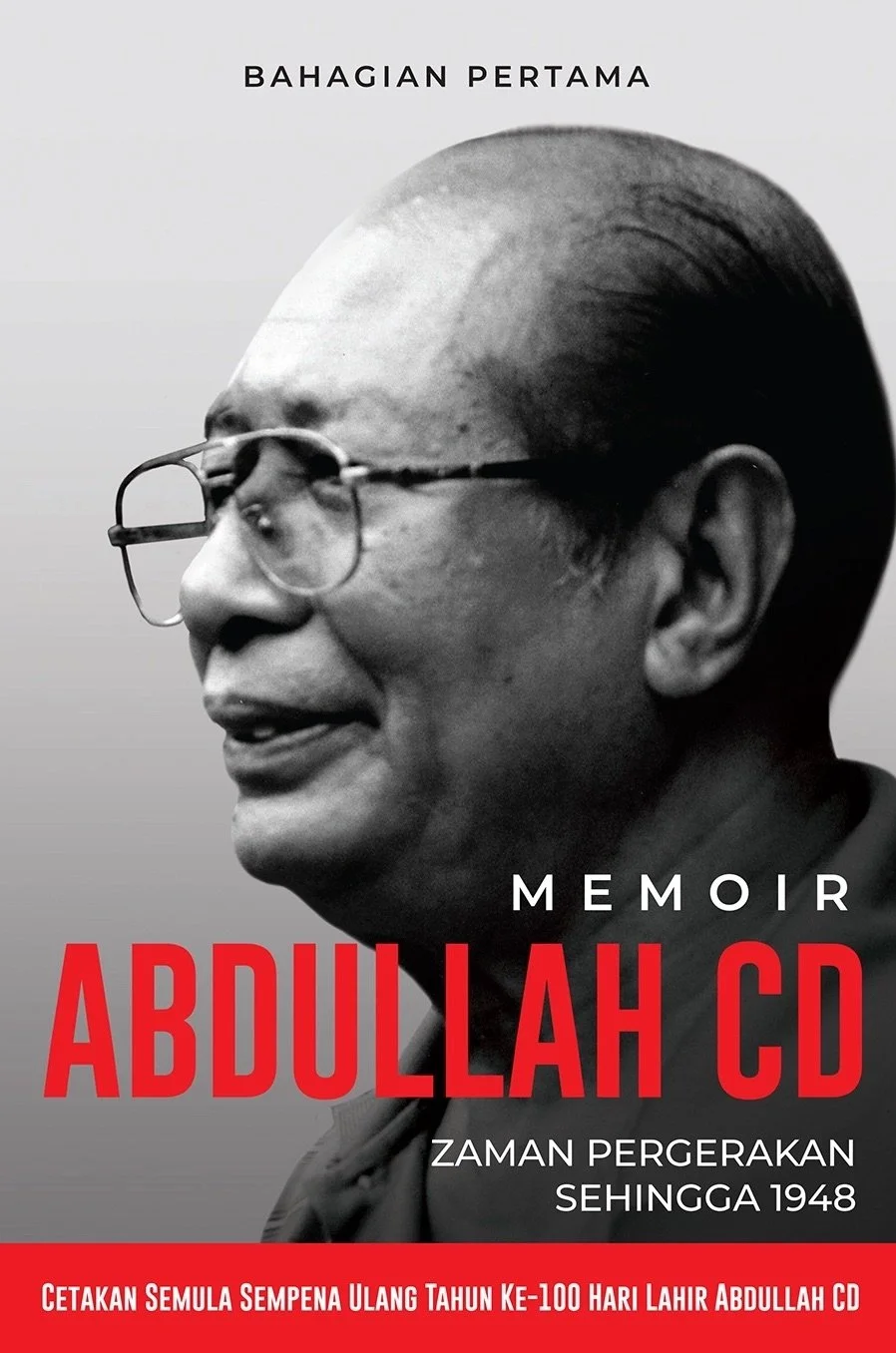
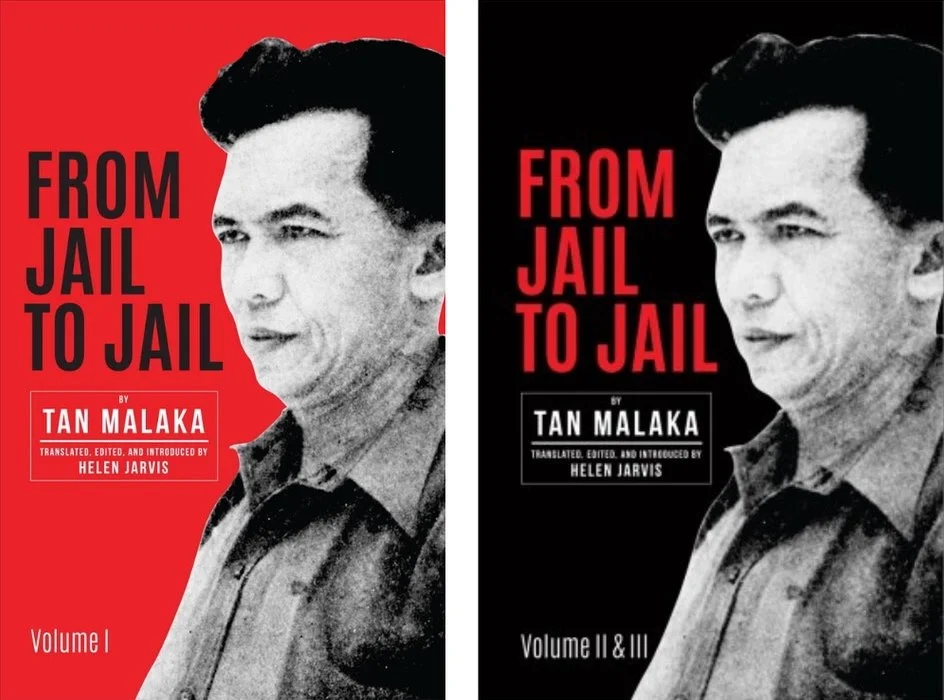
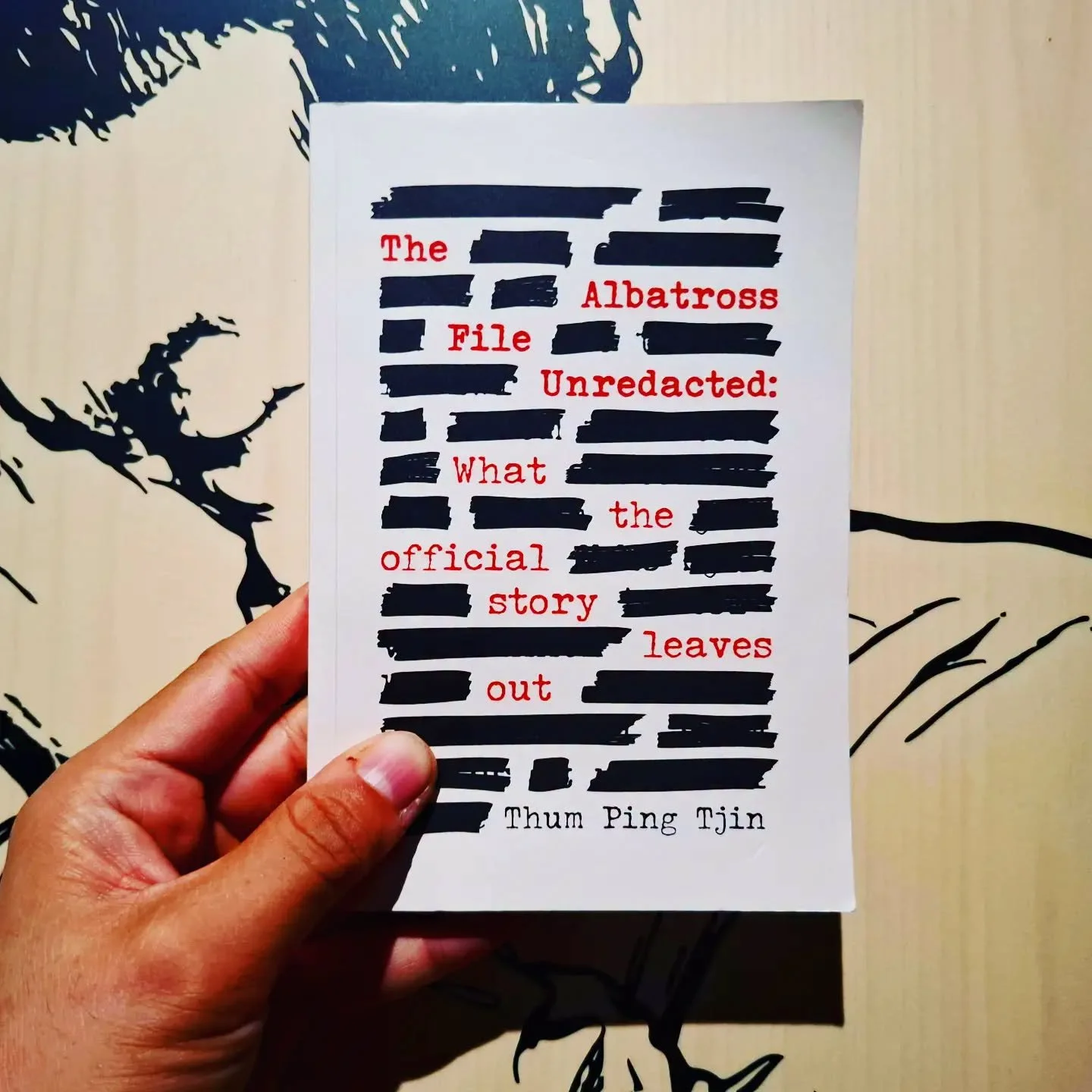
The books I have enjoyed most this year are both 3-volume autobiographies and reissues: Memoir Abdullah CD (Strategic Information and Research Development Centre (SIRD), 2023, originally published 2005) by Abdullah CD and the 1991 English translation, by Helen Jarvis, of Tan Malaka's 1949 three volume autobiography, From Jail to Jail (SIRD 2020, originally published 1991). Both have been extremely hard to find (partly because of censorship), so the reissues are extremely welcome.
Both are hugely important but marginalised voices in our history. Abdullah CD (Cek Dat Anjang Abdullah, 1923-2024) was chairman and General Secretary of the Malayan Communist Party. His memoirs articulate a coherent, anti-colonial, political philosophy that combines anti-colonial nationalism rooted in Malay historical memory, socialist egalitarianism, and class politics. He focuses on inter-ethnic unity as essential to liberation, and demonstrates how one can be a Muslim, a Malay, and a Communist all at once.
Tan Malaka (Ibrahim Simabua gala Datuak Sutan Malaka, 1897-1949) is legendary. He was a fighter, intellectual, guerrilla, and spy. He has been described as a communist, nationalist, national communist, Trotskyist, idealist, and Muslim leader, but ultimately the entire cause of nationalism and anti-colonialism across all of Southeast Asia is connected to this man, who moved so effortlessly through our region and spread revolution everywhere. Can we understand the Cuban Revolution without Che? Can we understand the Rebellion against the Galactic Empire without Luthen Rael? Yet somehow we continue to talk about Southeast Asian revolution without Tan Malaka. Hopefully this will be a starting point for a better understanding of the man Tempo called the "Father of the Republic of Indonesia".
Ultimately, if we are to move past all the exclusionary ethno-religious nationalism that dominates our lives, and all the other baggage of the Cold War, we need to re-examine the hugely influential and important voices who envisioned very different futures for us. These are undoubtedly two of the most important.
Rahad Abir (writer)
Heart Lamp by Banu Mushtaq, translated by Deepa Bhasthi (Penguin Random House India, 2025). The stories are raw, rural, and original. The book offers an intimate glimpse into the lives and struggles of Muslim women in contemporary India. Reading Banu Mushtaq’s fiction is like reading Ismat Chughtai—fierce, bold, and deeply human.

Salil Tripathi (writer)
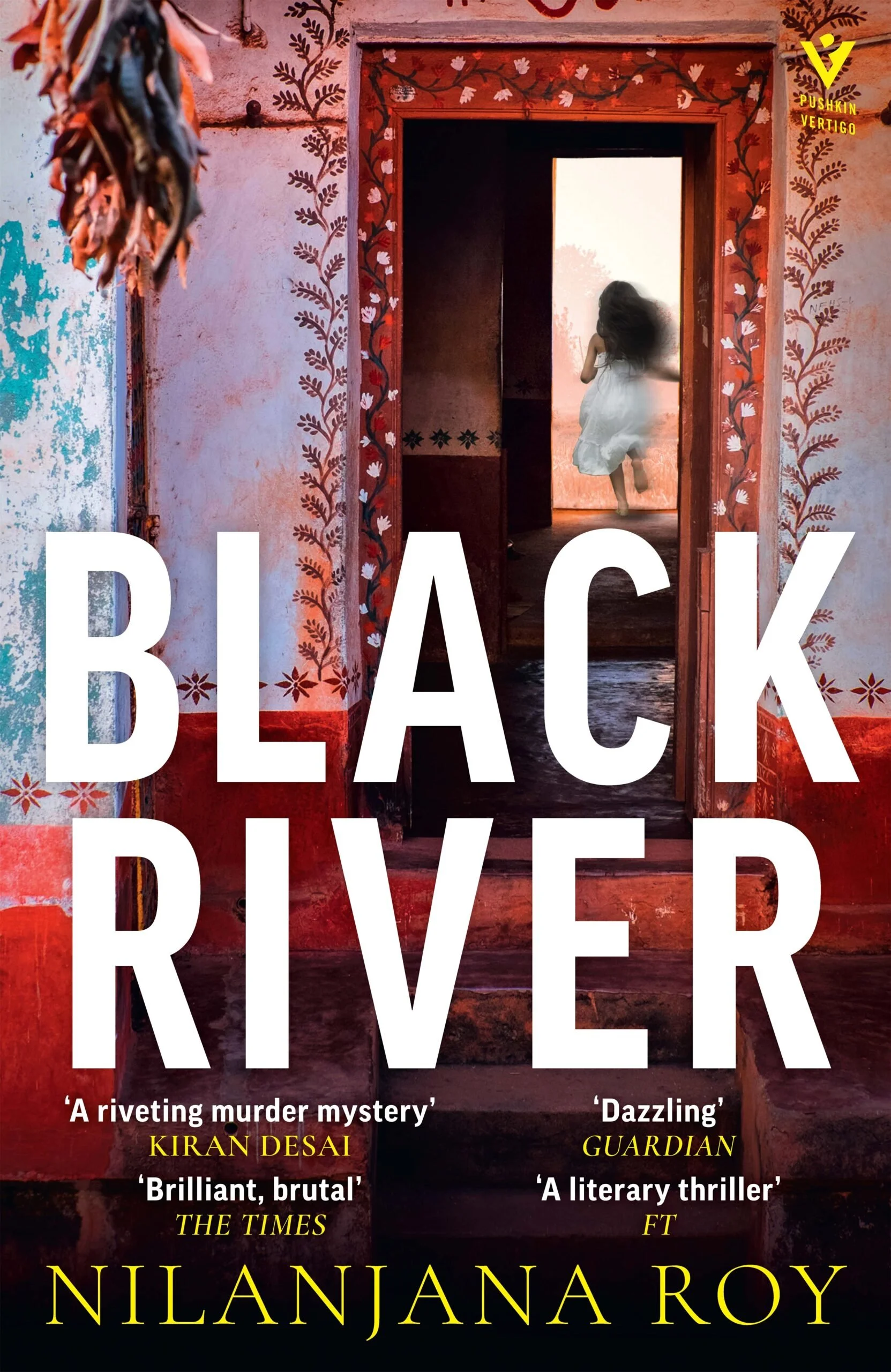
Black River (Pushkin Press, 2024), by Nilanjana Roy, was first published by Westland in India in 2022, and by Pushkin internationally in 2024. Nilanjana Roy has crafted a chilling narrative that takes us to a village near India's capital Delhi where an eight-year-old girl has been found murdered, and reveals deep-rooted prejudices present in the heart of India. It shows how outward signs of modernity have done little to eradicate suspicions, bigotry, and inequities, and the determination of a police officer to investigate. Journalism and reporting can present facts, but much of the Indian media is abdicating that responsibility; at such a time, literature can unveil the truth, as does this novel.
Soh Lung Teo (retired lawyer)
The Silent Roar: A Covid Awakening in the Lion City, by Iris Koh (Healing the Divide Press, 2025) is about the transformation of an ordinary Singaporean, a music teacher and a devout Catholic, into an activist. In any civilised country, her opinion and lawful activities as a citizen who rejects the government's solution to the Covid-19 pandemic would not have resulted in the severe consequences she suffered, physically, mentally and financially. One harrowing example from the memoir: "As the Investigating Officer read my charges behind closed curtains, while I was chained to the hospital bed - shouting and screaming for help, surrounded by police officers who refused to bear witness to what had just happened - I felt the full weight of what it means to be stripped of one's civilian rights...." The Silent Roar is a book worth reading.
[Note: Although Singapore Unbound disagrees with the book’s stance against COVID vaccines, we wish to uphold freedom of expression and personal dignity against the heavy hand of the state.]

Tania De Rozario (writer)
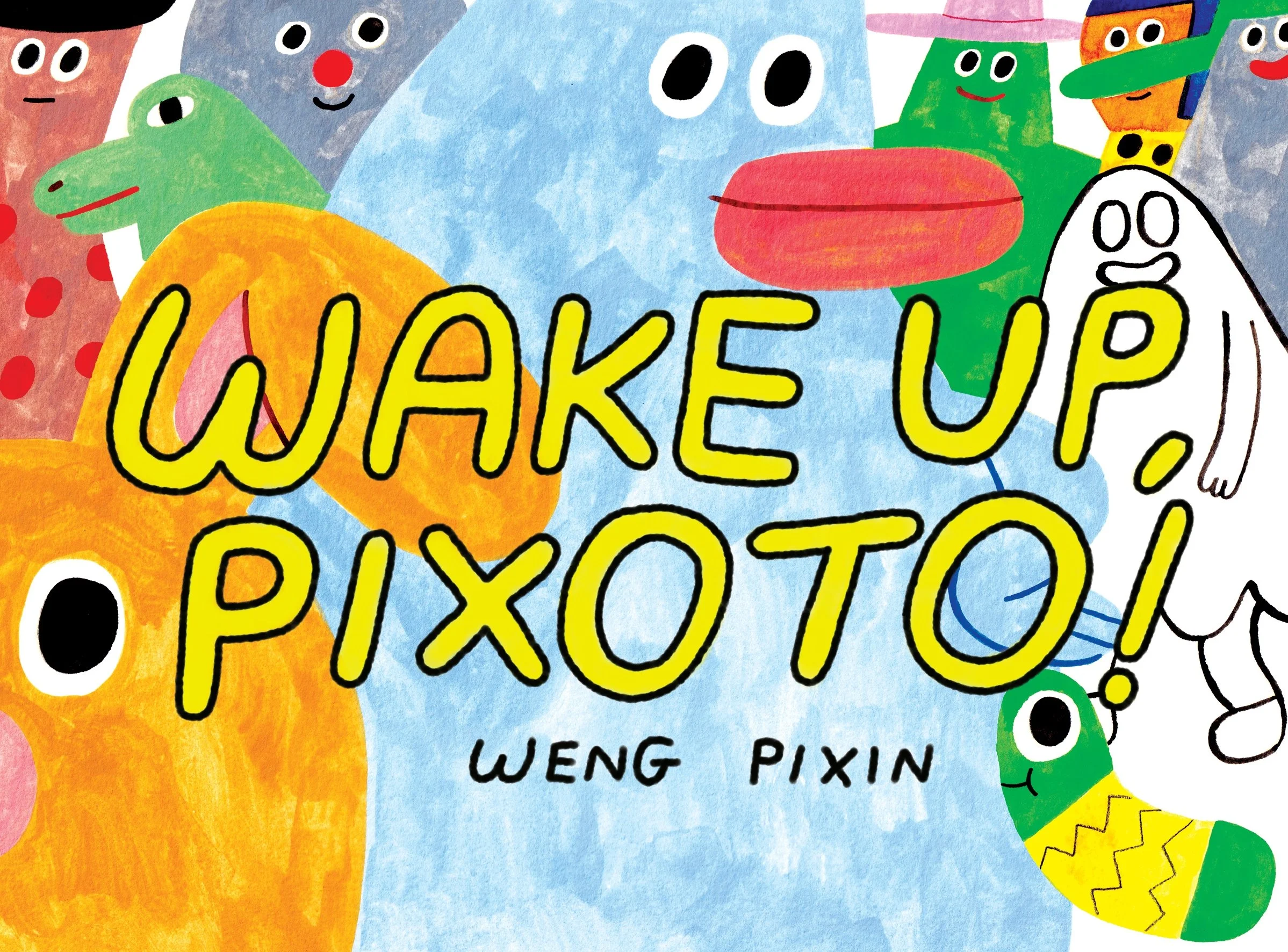
Wake Up, Pixoto! by Weng Pixin (Drawn and Quarterly, 2025). Weng’s bright colours and rounded characters welcome you in with comfort and familiarity - and by the time you’re hooked, you realize you’re immersed in an insightful memoir-comic about power, manipulation, and the harm that thrives in an absence of boundaries. I loved this book for how honest and insightful Weng’s storytelling is, and for how much of my own art school experience I saw reflected in it.
From the Singapore Unbound team:
Christian Yeo (Editorial Intern, Gaudy Boy)
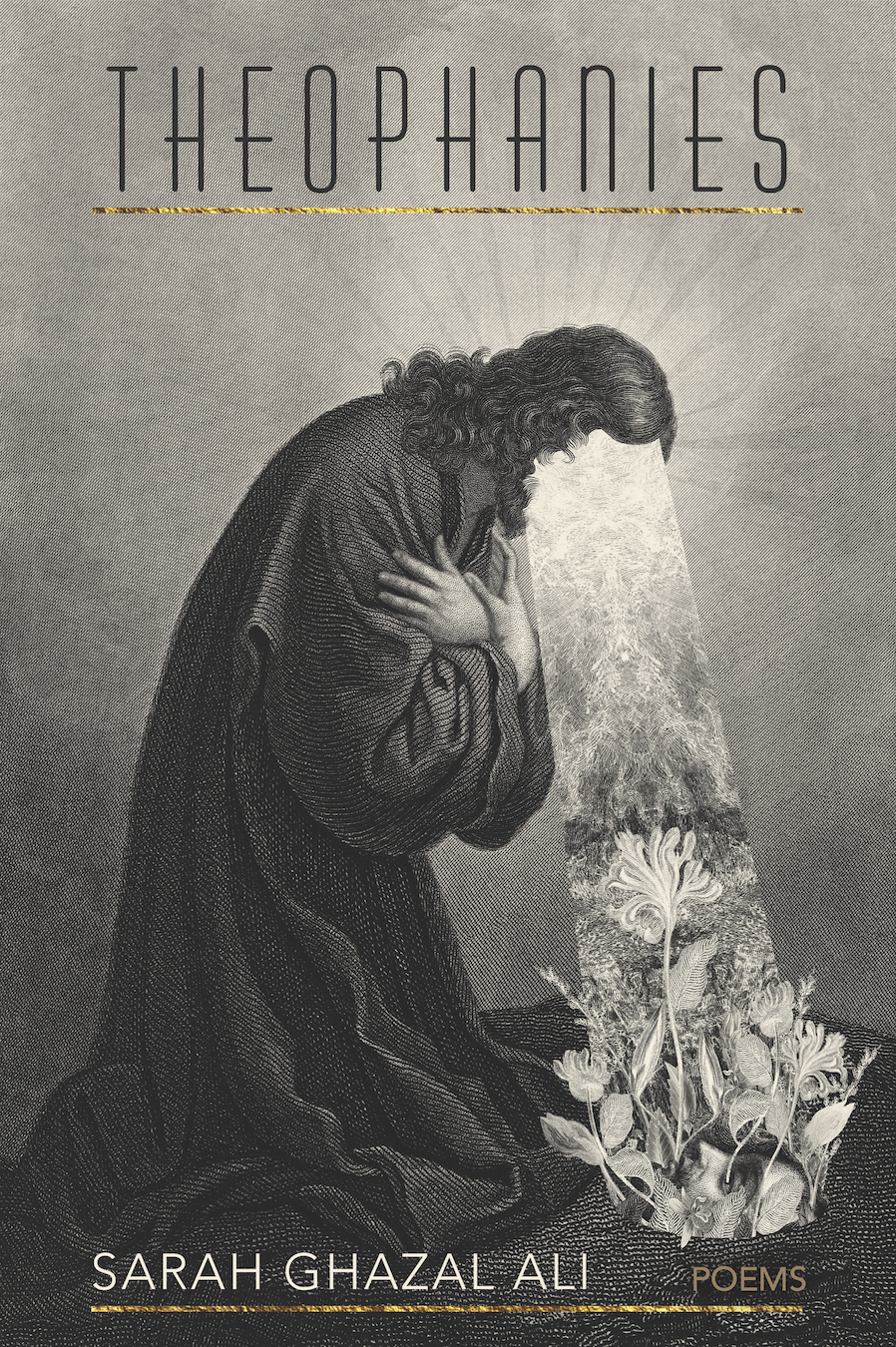
My recommendation is Theophanies by Sarah Ghazal Ali (Alice James, US, 2024; the87press, UK, 2025). Sarah Ghazal Ali's debut collection is a masterclass in using form to elicit the uncontainable: faith, gender, family, and want. What makes this collection more aria than articulacy, though, is what drives us to poetry in the first place; distilled, precise emotional truth, arrived at through the side door, with all the attendant love and ruthlessness that that truth calls for.
Joy Amina Garnett (Art Director, SUSPECT)
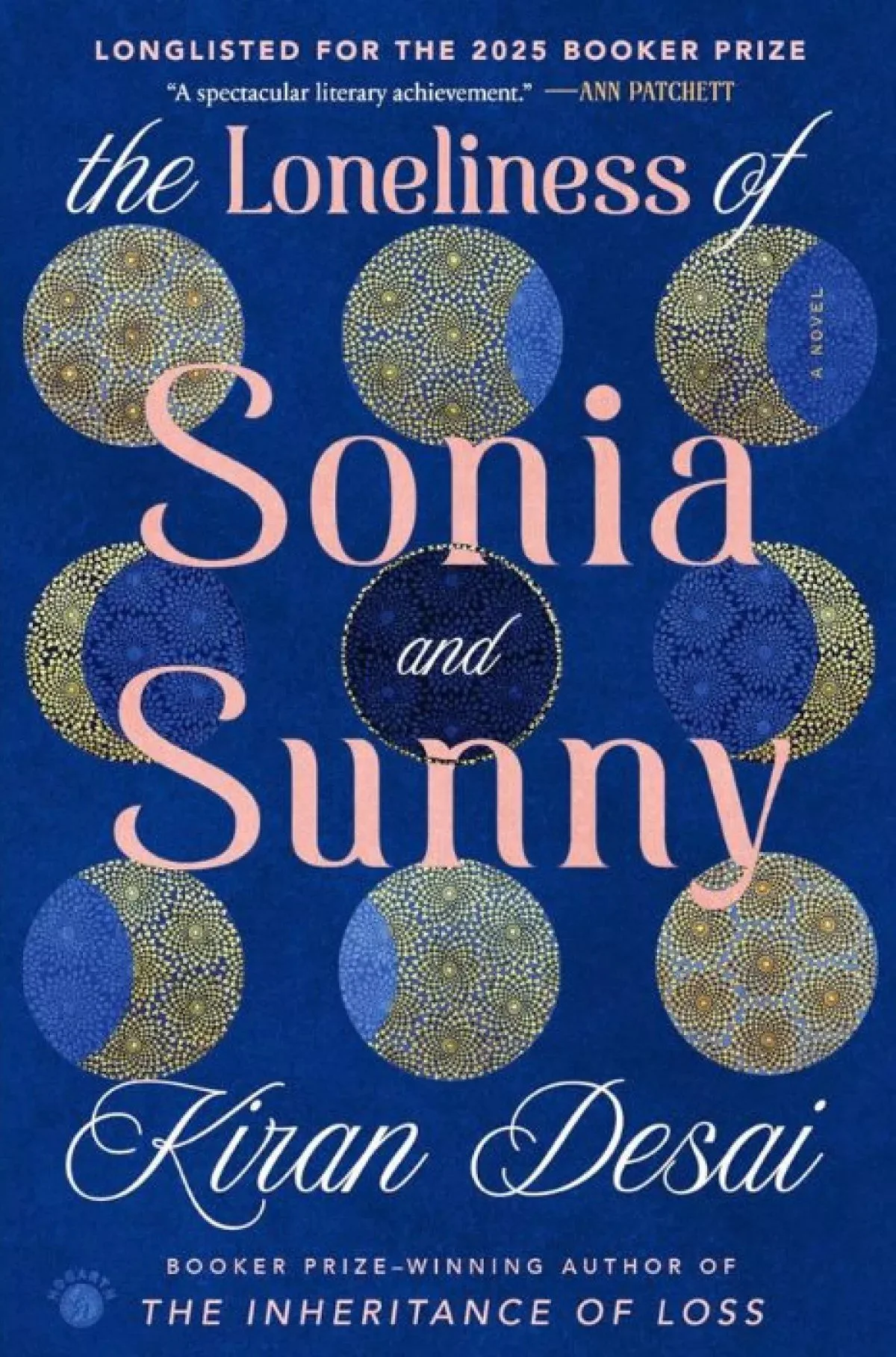
Home, they say, is where you can be yourself. A sense of home can be as fleeting and drenching as a spring rain. Kiran Desai’s Booker-shortlisted The Loneliness of Sonia and Sunny (Hogarth, 2025) is an odyssey of two lovers seeking to find home in the world, in each other, and finally within themselves. With dislocation and alienation as givens, “loneliness” is teased as both ontological state and contemporary affectation in a narrative replete with far-flung worlds that are fully felt—snowy landscapes of Vermont, late-night food emporia of Jackson Heights Queens, domestic interiors of Delhi and Allahabad, and the ruin-porn of Old Goa. The intertwined stories of Sonia and Sunny are at once expansive and intimate. Our seekers can’t help but feel lost even as they find what might finally be home. And yet we remain hopeful. “There was a tremble in the hand Sunny gave to Sonia and a tremble in the hand Sonia gave to Sunny. Beyond them evening drowned in the whistles, caws, the shehnai and sarangi of birds and traffic horns, the roar that rises in any metropolis when millions are making their way home. Each hoped their own trembling was disguised by the tremble of the other, by the reverberation of the world at the hour of dusk.” I feel my own loneliness through theirs while recognizing the familiar dilemma of those who leave and return only to find they may never have belonged in the first place, and that the idea of “belonging” is itself a myth.
Sharmini Aphrodite (Editor-in-Chief, SUSPECT)
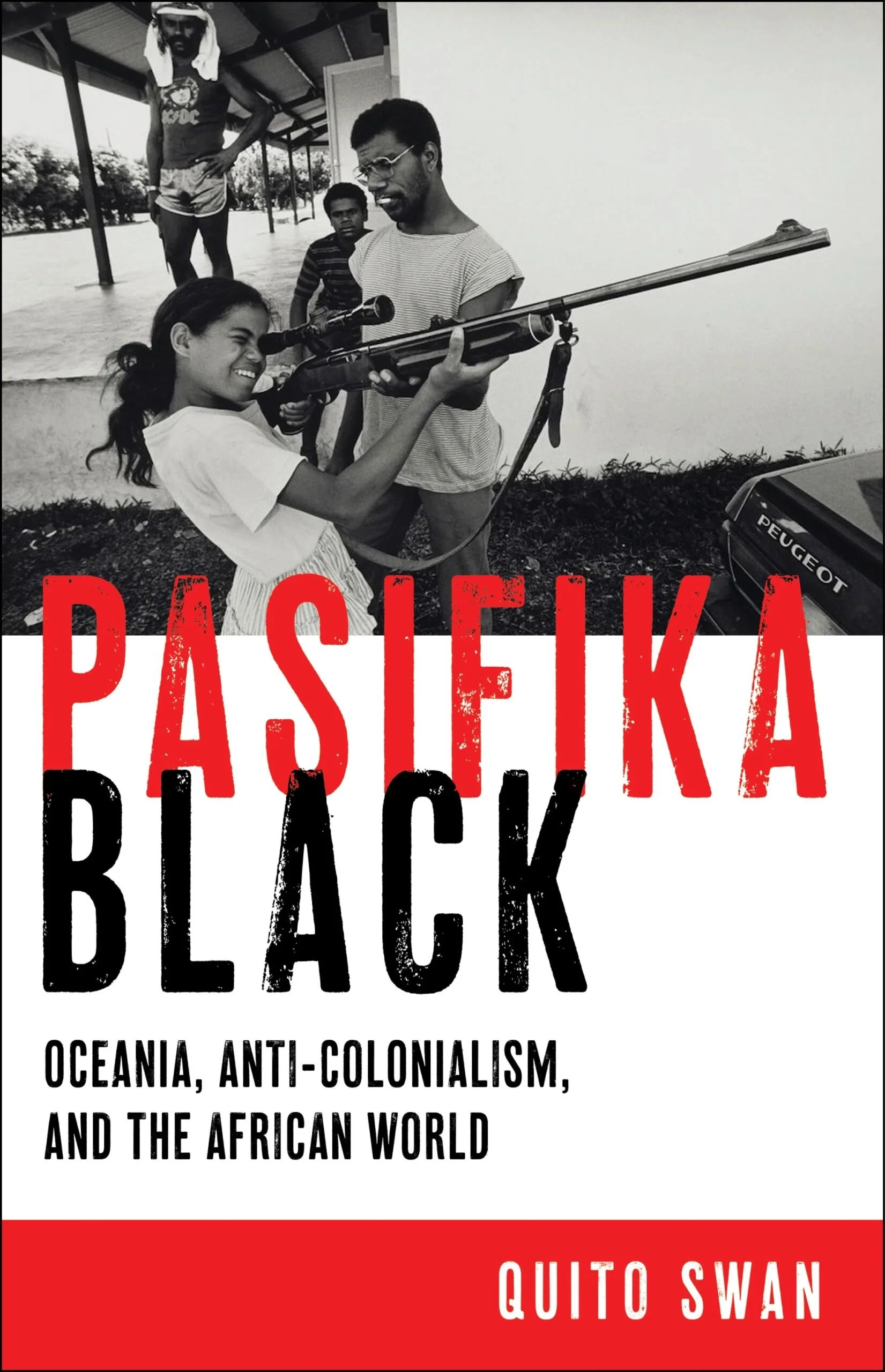
Pasifika Black (NYU Press, 2022) by Quito Swan deals with liberation movements in Oceania, embedding them within a global network and context. I recommend it here because of how it refracts the question of Asia, exhuming regional and national myths that Southeast Asian readers might be familiar with. Concepts that such readers might think of as liberatory in a one-note sense—such as Indonesia Raya, the legacy of Bandung—are read through an Oceanic lens, one that makes Asian readers who flatten a polyphonic history in search of triumphalist narratives necessarily uncomfortable.
Yu-Mei Balasingamchow (Editor, Gaudy Boy)
Heart Lamp by Banu Mushtaq, translated by Deepa Bhasthi (And Other Stories, 2025). Ruby Thiagarajan pressed this short story collection on me, and I was utterly absorbed. It's about women and girls in Muslim communities in South India, and each story is deceptively simple and hyper intense. I could only read one at a time; I needed to let it sink in after I finished it and to consider the minute emotional shifts that charged each one. These are also energetic, pacey stories. Characters are very alive, vibrating with possibilities, even those entrapped in awful circumstances.
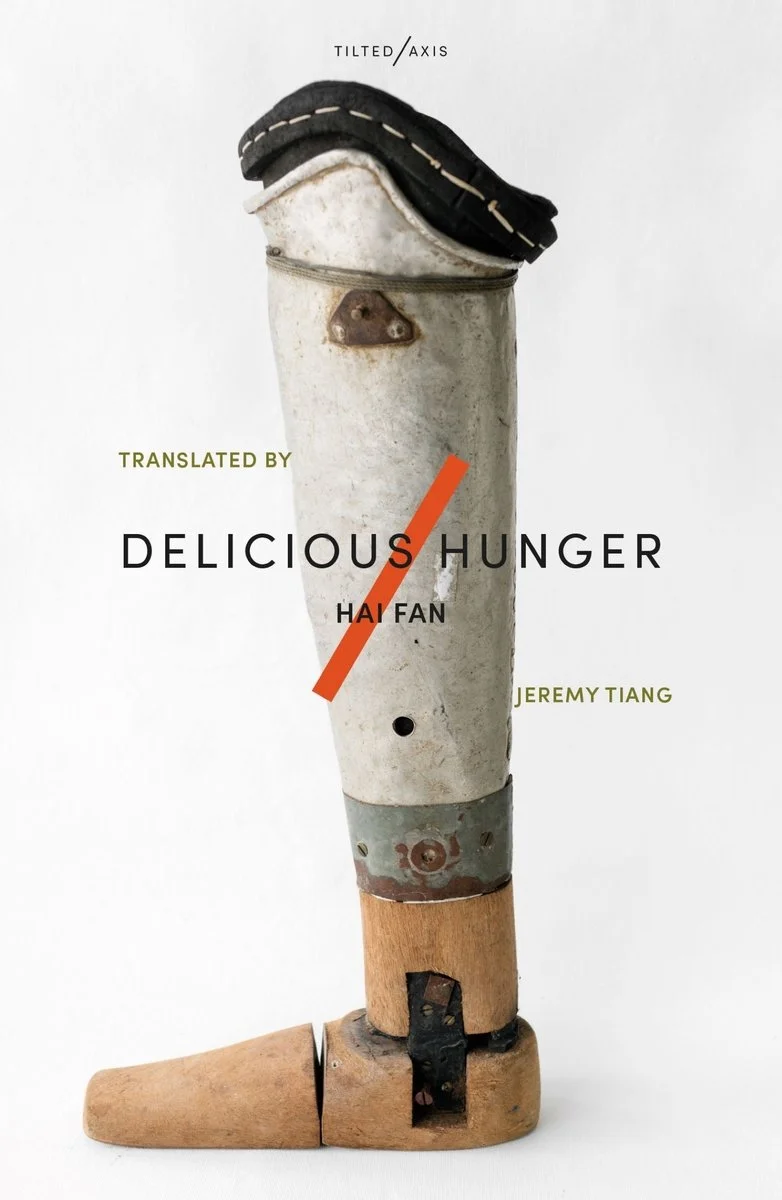
Delicious Hunger by Hai Fan, translated by Jeremy Tiang (Tilted Axis Press, 2024). The original text in Chinese was published in 2017. Jeremy's translation was published in 2024. The short stories in this collection brilliantly illuminate the unglamorous, difficult lives of Malayan Communist Party soldiers, the women and men who fought in the rainforest first against the British, then later the Malaysian army. The stories hew close to the bone, if you'll pardon the pun: the characters' lives, limbs and futures are at stake, the storytelling brisk, purposeful yet poignant.

‘The truest, most vivid sketch of non-performative unconditional love’—Ashley Marilynne Wong reviews Susanna Kwan’s Awake in the Floating City (New York: Pantheon, 2025).