
Felix: The Comics, July 2026
By Felix Cheong
With National Day round the roadblocked corner, it is time to sound the trumpet for the Singapore graphic novel.
If you have not used up your $100 SG Culture Pass, consider spending it on comics. They have been flying the Singapore flag for years, often with less media hype than the novel and certainly less sponsorship than theatre.
This is especially after the Singapore Book Council announced on April 9 it has suspended the Comics/Graphic Novel category for the Singapore Literature Prize, having introduced it, with much fanfare, in 2024.
Sigh. One step forward, one step back.
It is impossible to say this, of course, without invoking Sonny Liew’s The Art of Charlie Chan Hock Chye—the albatross tied around every local comics creator. It hogged the headlines in a funding controversy in 2015, won three Eisners and ten years later, has sold in excess of 35,000 copies. Liew’s book has cast such a long shadow over the scene that it has become myth. Everything before it looks like a rehearsal and everything after it, a washout.
Still, good works keep coming. Difference Engine remains stubbornly comics-first, and Penguin Random House SEA, despite its literary pedigree, pushes out graphic novels too.
The downside is that larger publishing houses such as Marshall Cavendish and Epigram Books have also scaled back on the form. Which makes the graphic novels that find their way to bookshelves feel all the more worth saluting.
Here are my four favourite SG graphic novels for you to savour.
Mr Goodchild, by J.H. Low
Marshall Cavendish, 2021
A children’s picture book illustrator who is into body horror?
I was astonished to learn Mr Goodchild was written and drawn by J.H. Low, better known for his award-winning children’s picture books than for this detour into darkling despair.
Well, maybe not so surprising, given that Australian children’s book author Shaun Tan is equally at home with the macabre and the magical.
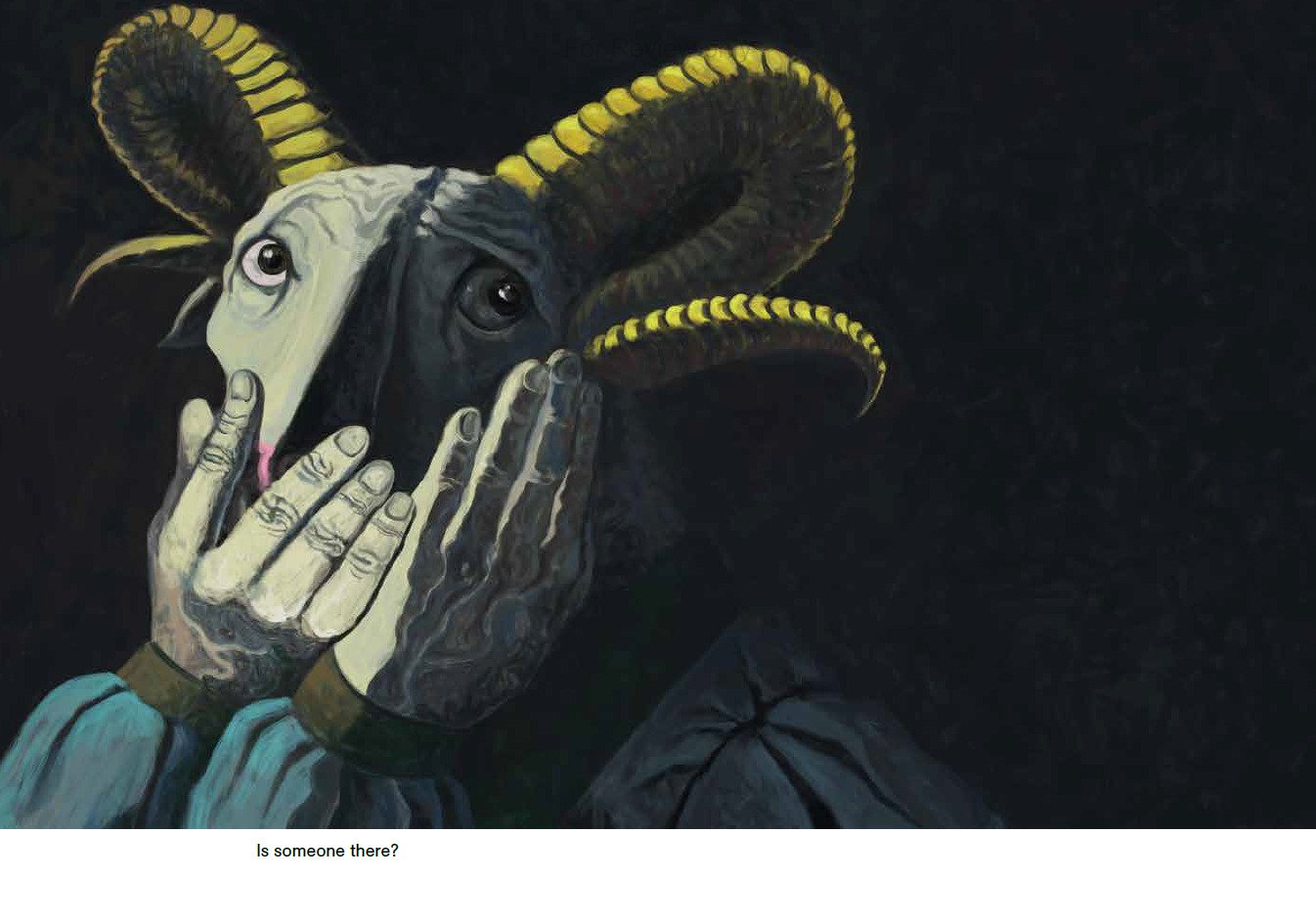
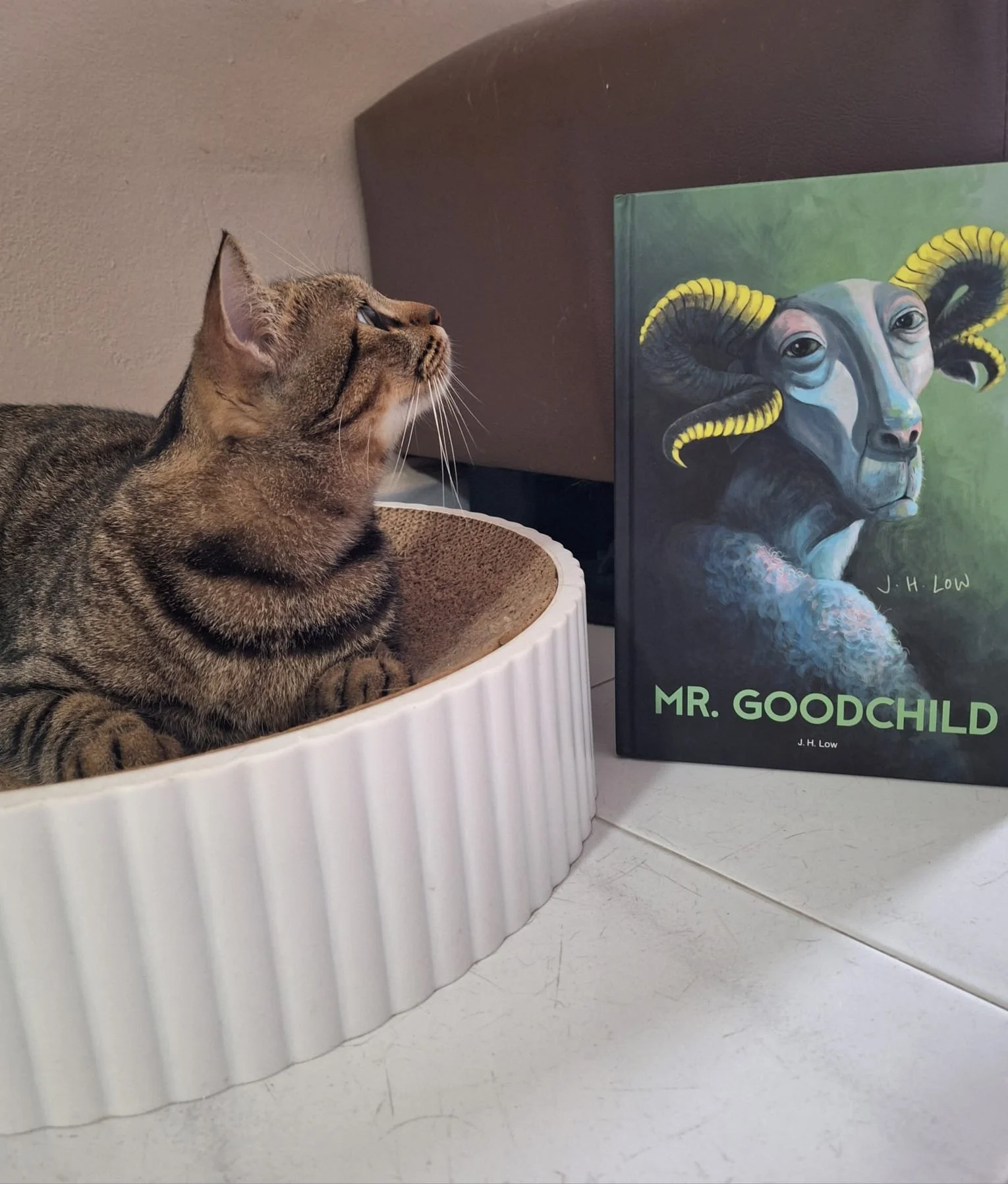
Mr Goodchild is less a graphic novel than an illustrated book. Paintings with captions, really. Each spread looks frame-ready, as if it could be ripped off the page and hung on a wall.
The story, though, is at times thinner than the art. Mr Goodchild, depicted as a ram, is the everyday man caught in the hamster wheel (he’s a good child, get it?).
One night, when he can’t sleep, the ramster (for want of a better word) lets the little beasts inside him out. And then sews them skins to dress them up as adult-size versions of himself.
Yikes, that’s as David Cronenberg as it gets.
What makes the book stand out is not the narrative but Low’s imagery, at once surreal and unsettling. One scene, in which Mr Goodchild’s little devils finally adorn the coats he had sewn, makes my skin crawl. Enough to make me think twice about having mutton curry.
The trouble is that the book is often more evocative than precise. Which is another way of saying: vague. Lines like “The voice, the beast; the voice, the beast; same old same old” don’t quite work for me.
Mr Goodchild would have been better served as a wordless illustrated book, where the images carry the weight of haunting. The stuff of tonight’s nightmare.
The Ollie Comics: Diary of a First-Time Dad, by Drewscape
Drewscape, 2017
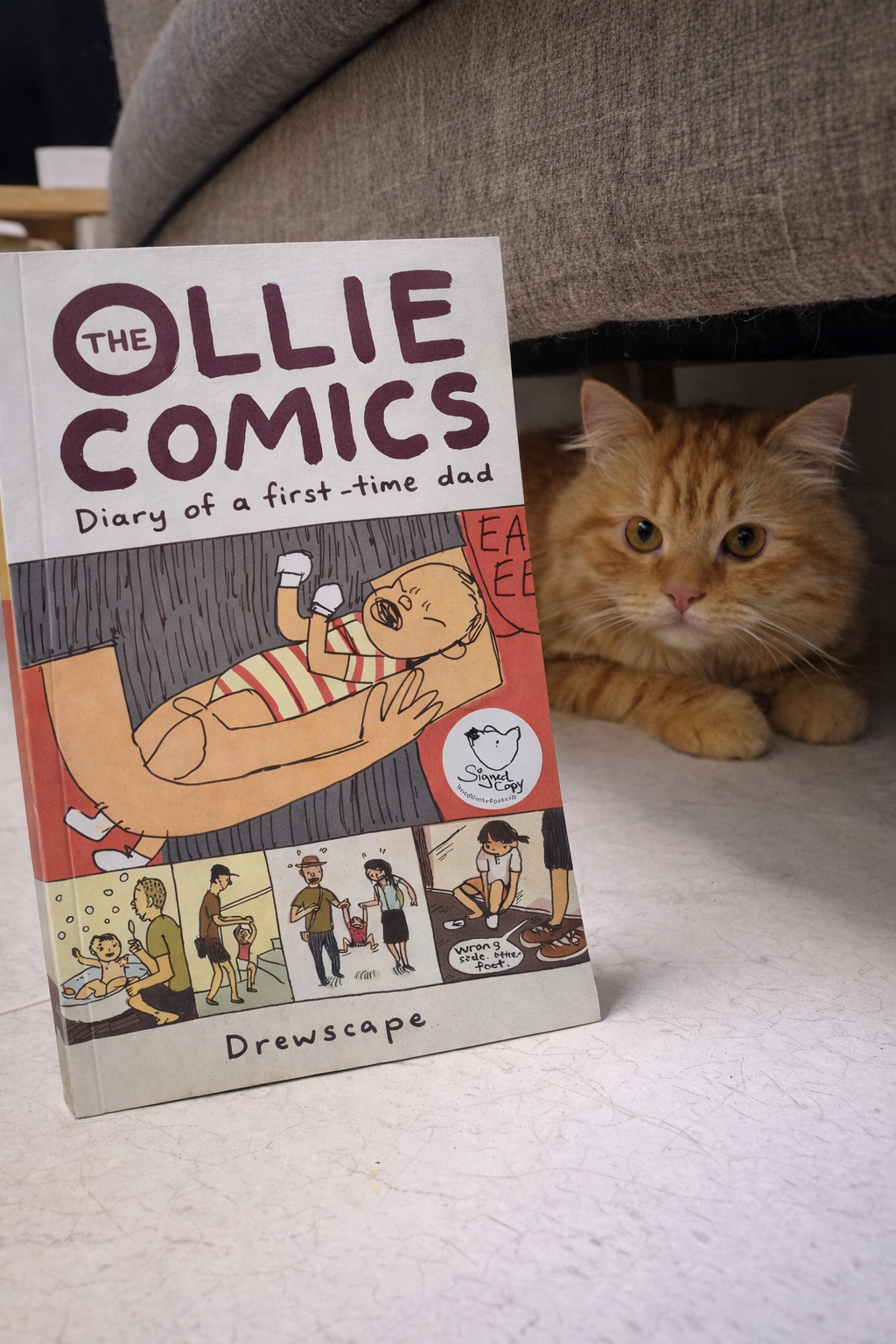
The Ollie Comics: Diary of a First-Time Dad is slight. But slight, in this instance, is not an insult but the book’s charm.
Drewscape—alter-ego of Andrew Tan, known for his Sherlock Sam cover art—has always had a keen eye, as shown in his first anthology of graphic short stories, Monsters, Miracles and Mayonnaise (2014), which earned an Eisner nomination (fun fact: Sonny Liew wasn’t the only one).
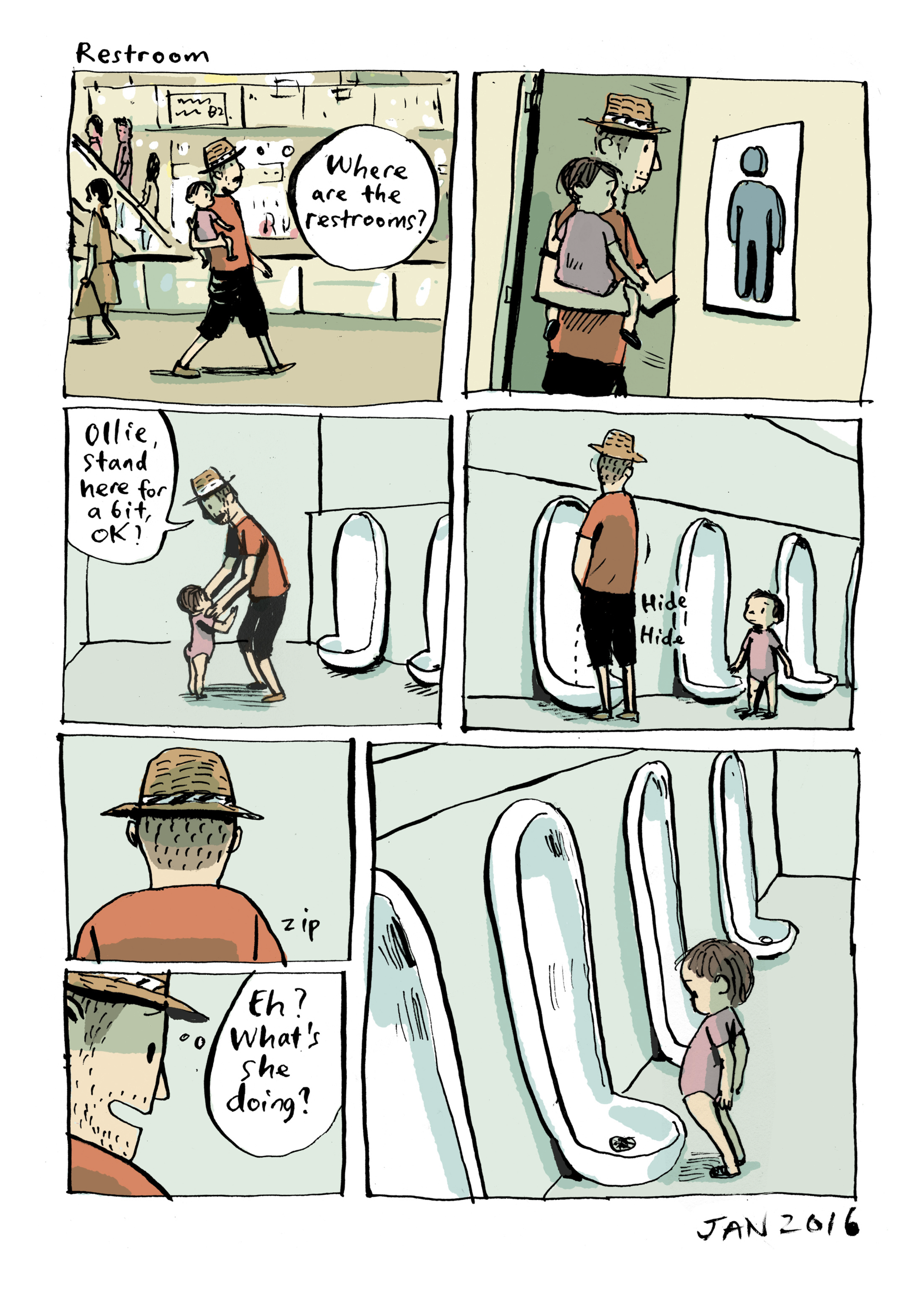
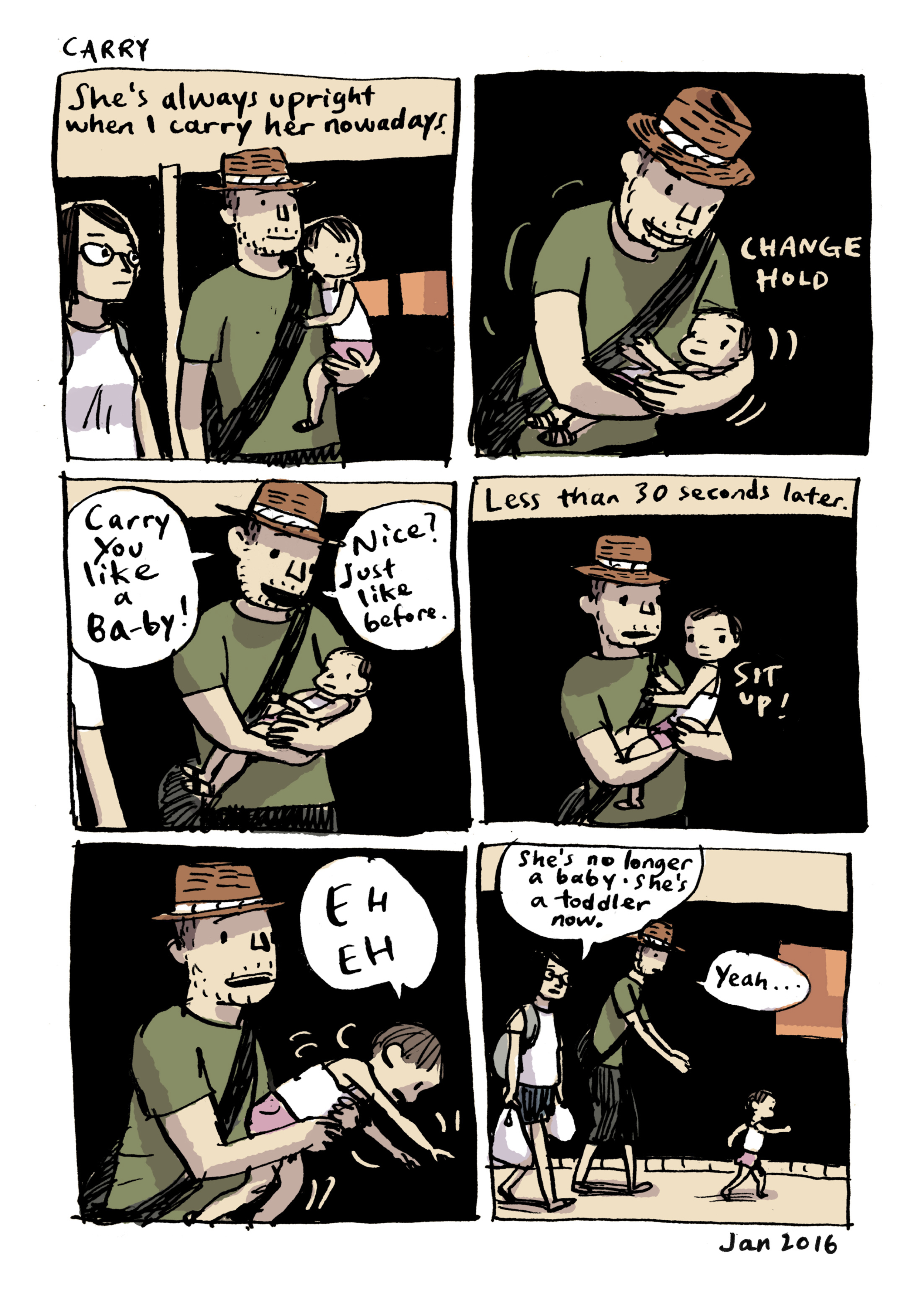
Here, Drewscape’s eye is turned inward, towards diapers, night feeds, small domestic catastrophes—the hum and drum of being a father.The result is funny because it is observant. And universal because it is specific.
This is less a graphic memoir than a journal. After all, that was how the book began, as a series of sketches. You can feel it in the early pages. The lines are tentative, the panel layout uneven. The whole thing has the sleep-deprived energy of a new parent trying to record life before it flits away.
By the last third, though, the book grows more confident. The cartooning loosens; the pacing improves. He begins, finally, to thread the vignettes together, not just as random pieces, but as a book.
Still, concise storytelling is hard in vignette form. Drewscape mostly pulls it off—with warmth, wit, and a healthy dose of self-pity.
The Bicycle, by Cheah Sinann
Epigram Books, 2014
Full disclosure: Cheah Sinann is my collaborator on two of my graphic novels. So, I come to The Bicycle with prejudice—but the good kind. I have long admired his feel for period detail, his ability to make scenes look lived-in rather than merely visited.
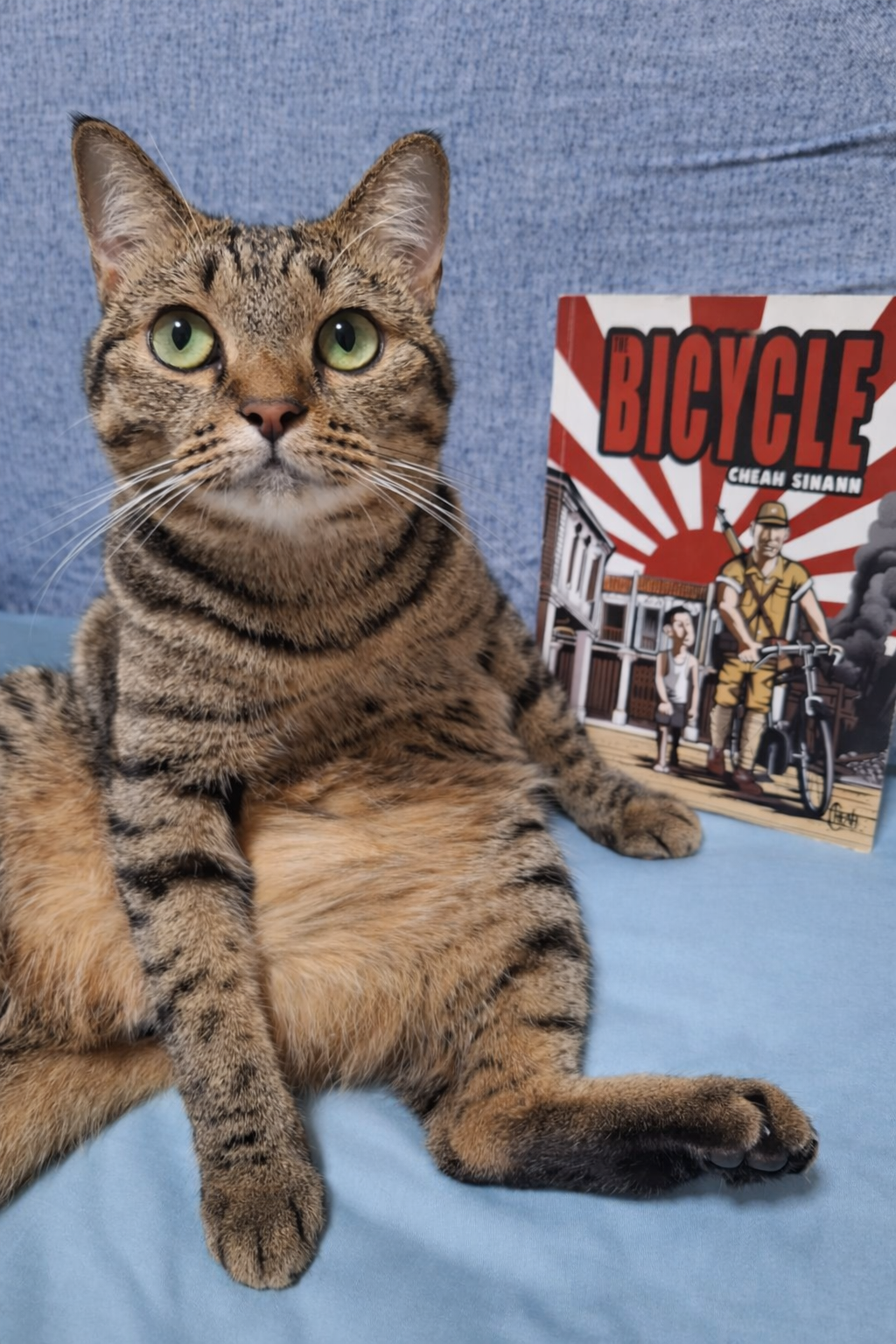
These traits serve him well here. Set during the Japanese Occupation, The Bicycle revolves around the unlikely friendship between a battle-hardened soldier, Toshiro Iwakura, and a young Chinese orphan, Ah Cheng—two lonely souls brought together by their love of two wheels. It is a short read—you can finish it in under half an hour—but not an insubstantial one.
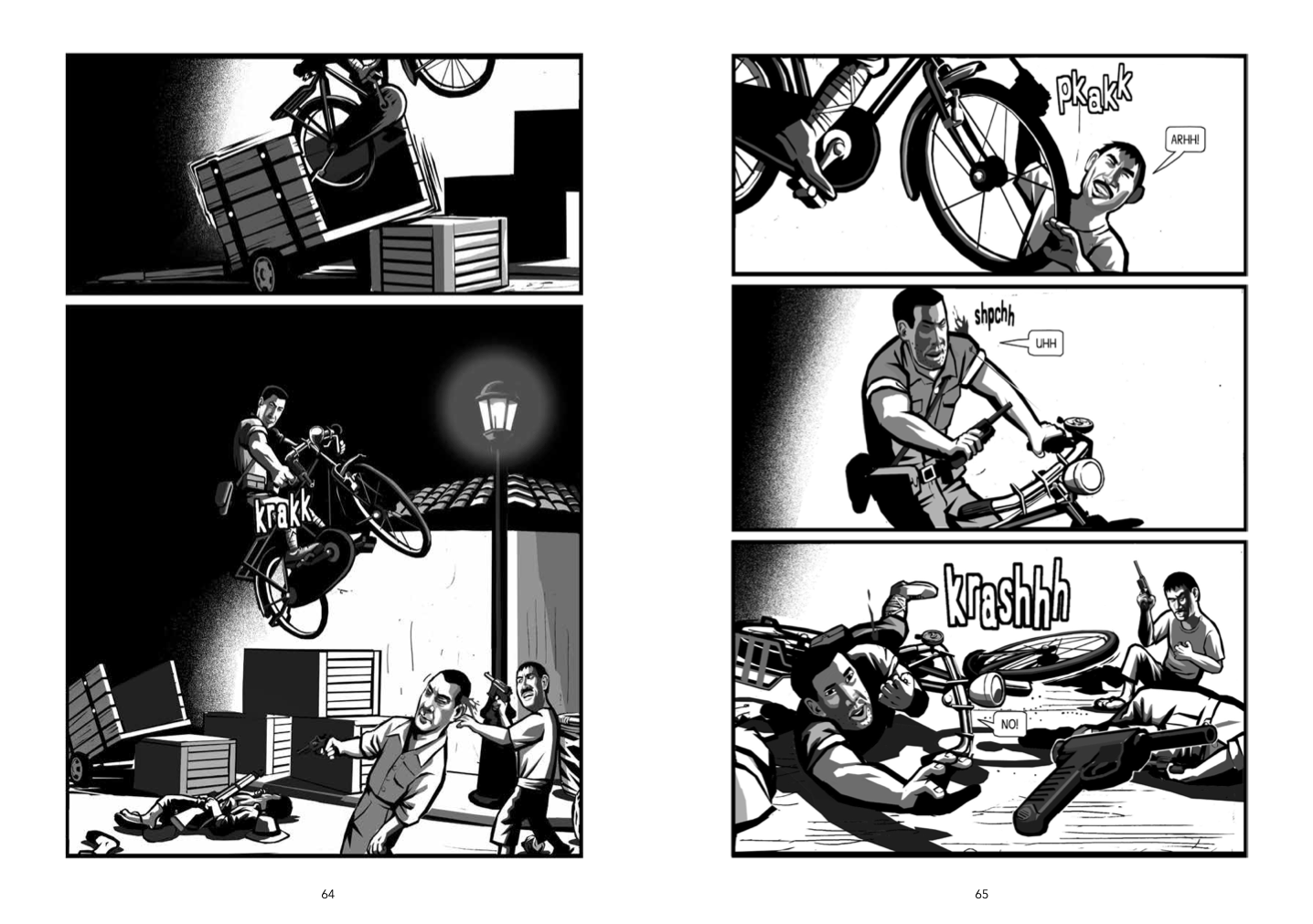
The art is the real draw. Cheah works in his characteristic black-and-white style that recalls wood engraving or etching, and it suits the material beautifully. The pages feel carved out of time and right for a World War Two story.
Better still, the story unfolds in one continuous movement. No chapter breaks. No stops and starts. The action scenes, too, are well executed and, more importantly, motivated.
The downside is the dialogue. Characters often say exactly what they mean. Sometimes they spill out their backstory simply to earn your sympathy, such as when Toshiro suddenly tells the brothel madam about his dead wife.
Still, it moves and leaves a mark. And you remember it.
Ten Sticks and One Rice, by Oh Yong Hwee and Koh Hong Teng
Epigram Books, 2012
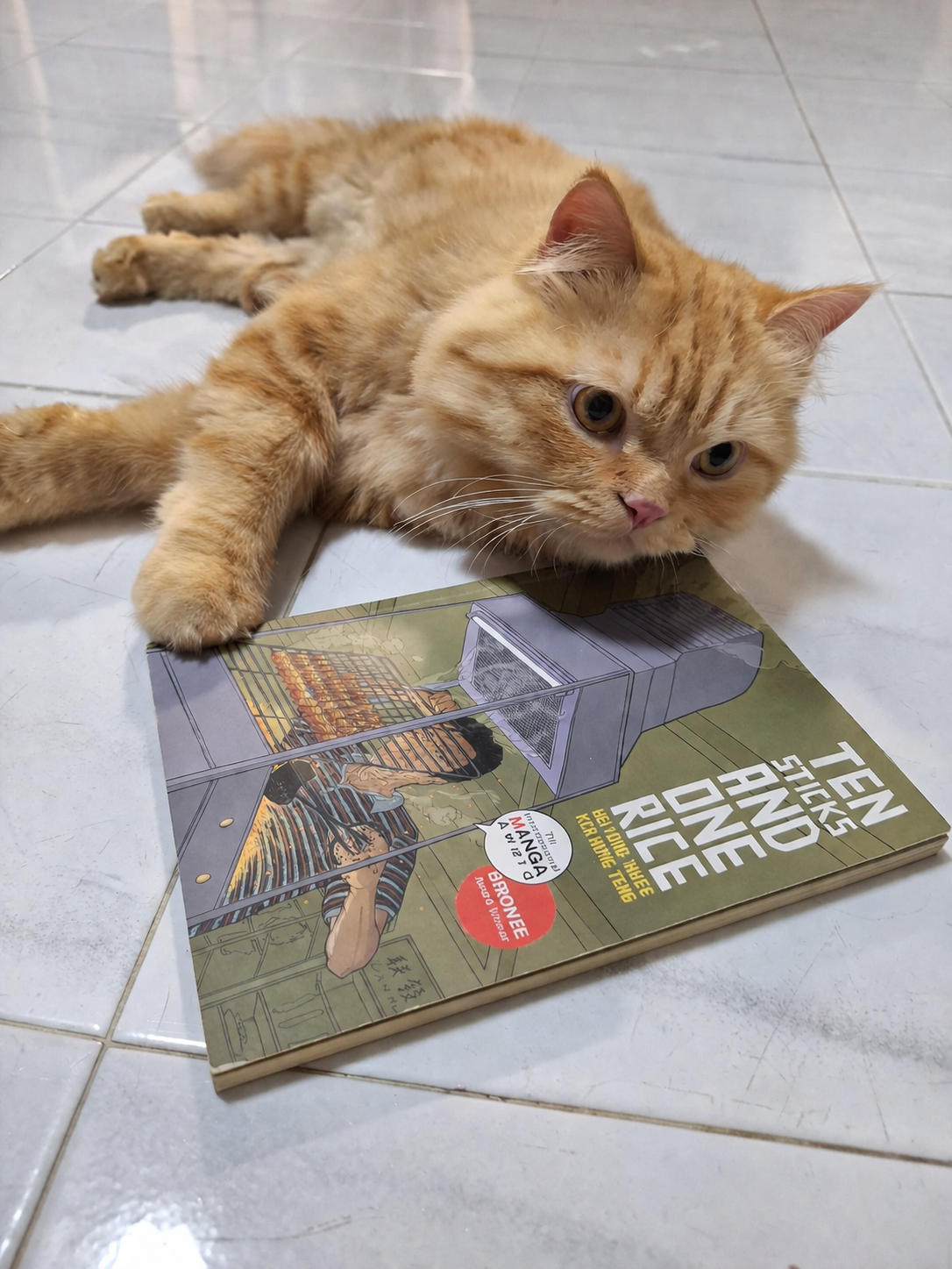
If The Bicycle was steeped in research, Ten Sticks and One Rice is marinated in it. Or to be more precise, in cultural anthropology.
Triad rites of passage. Chinese funerals. The hard, smoky life of a satay hawker. All rendered in exacting details.
At the centre is Neo Hock Seng—bookie, reformed gangster, hawker—now old and months away from death. As he prepares to send off an old friend who has just died from cancer, the book slips between past and present, memory and ritual.
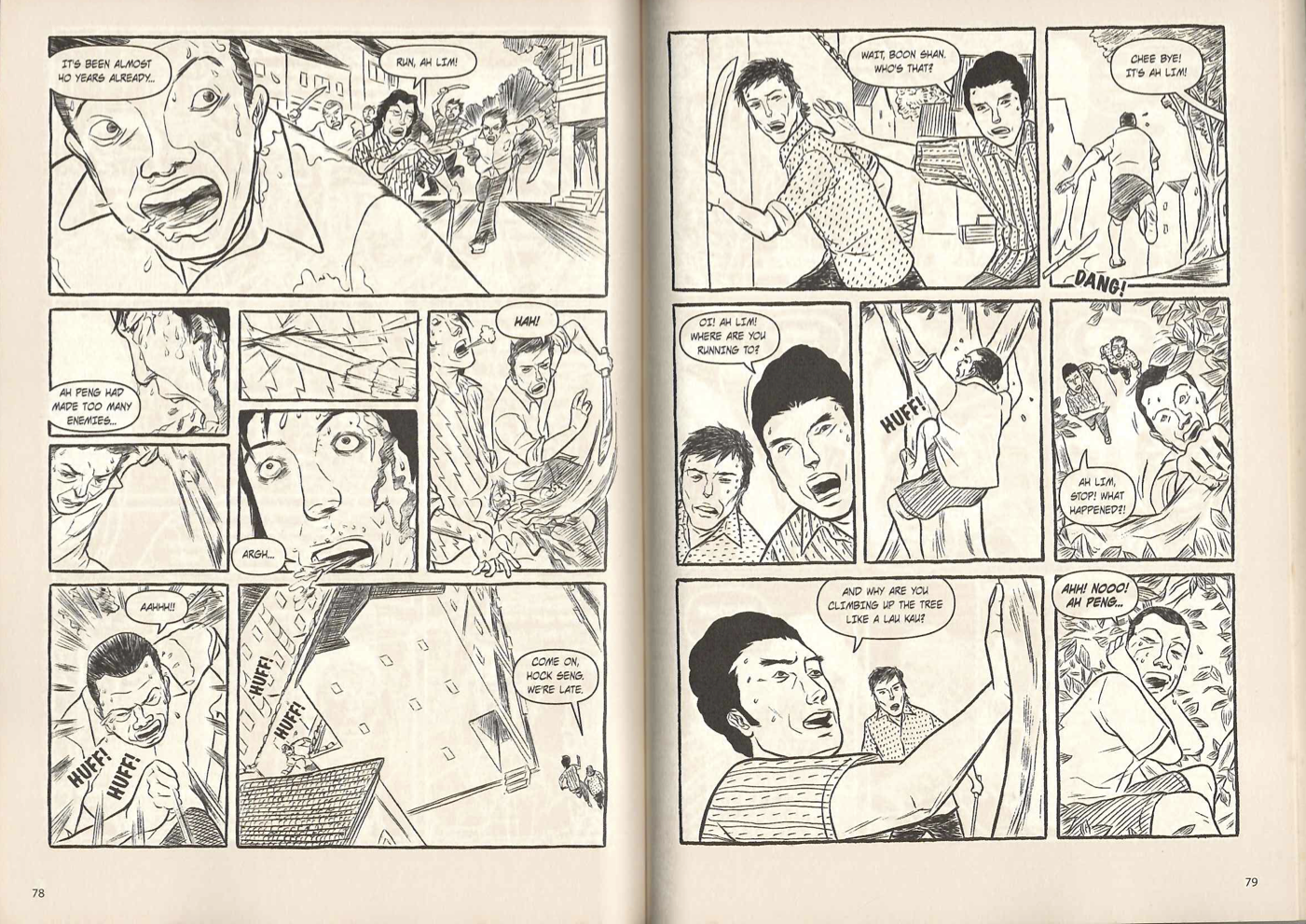
There is no denying the power of Koh Hong Teng’s artwork. His characters look like people you spot downstairs at the kopitiam: weathered faces, stooped shoulders, eyes that have witnessed too much but will not tell you half of it.
He knows when to let the visuals breathe too. Sometimes a panel is just a silent reaction shot, and stillness is all.
Oh Yong Hwee’s dialogue, though, can be clunky. Not because it explains too much but because it’s too polite by half. A strange fit, when you have rough-and-tumble characters who have lived by the rules of the street for years. The occasional Hokkien helps—the first speech bubble, a curse word, arrives like a slap—but not always.
Still, this story of an old world passing away remains painfully pertinent. Little wonder it picked up the Bronze Award at the 7th Japan International Manga Award in 2014.
An underrated gem.
Felix Cheong is a Singapore writer who has published 33 books across different genres, including poetry and fiction. He has also written 10 graphic novels, with his latest being A Mild Case of Mass Hysteria (Penguin-Random House SEA). Three of his graphic novels have also been shortlisted for the Singapore Book Awards. Recipient of the National Arts Council’s Young Artist Award in 2000, Felix has been invited to writers’ festivals all over the world, including Edinburgh, Austin, Sydney, Christchurch and Ubud. He is currently the Programme Leader of Singapore Literature and Creative Writing (Prose) at the Singapore University of Social Sciences.
‘The truest, most vivid sketch of non-performative unconditional love’—Ashley Marilynne Wong reviews Susanna Kwan’s Awake in the Floating City (New York: Pantheon, 2025).